Calculating the torque value for non-standard screws is a crucial task, especially when you're dealing with unique engineering or construction projects. As a non-standard screw supplier, I've encountered numerous clients who struggle with this very issue. In this blog, I'll guide you through the process of calculating torque values for non-standard screws.
Understanding Torque and Its Importance
Torque is the rotational force applied to a screw, typically measured in Newton-meters (N·m) or foot-pounds (ft·lbs). It's essential to apply the correct torque to a screw because too little torque can result in a loose connection, while too much torque can lead to screw breakage or damage to the mating materials.
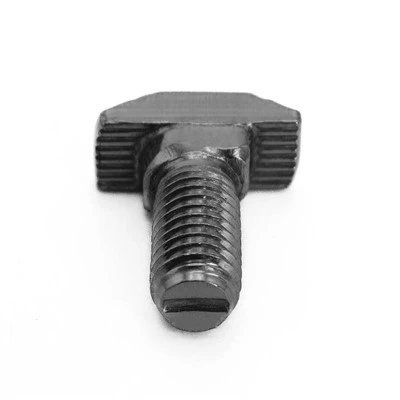
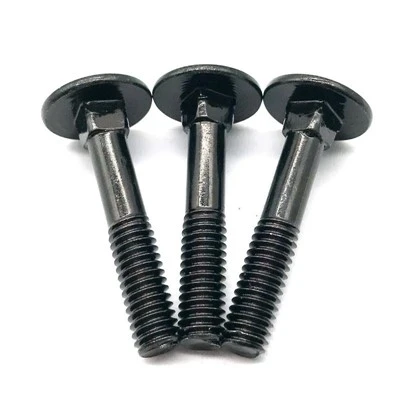
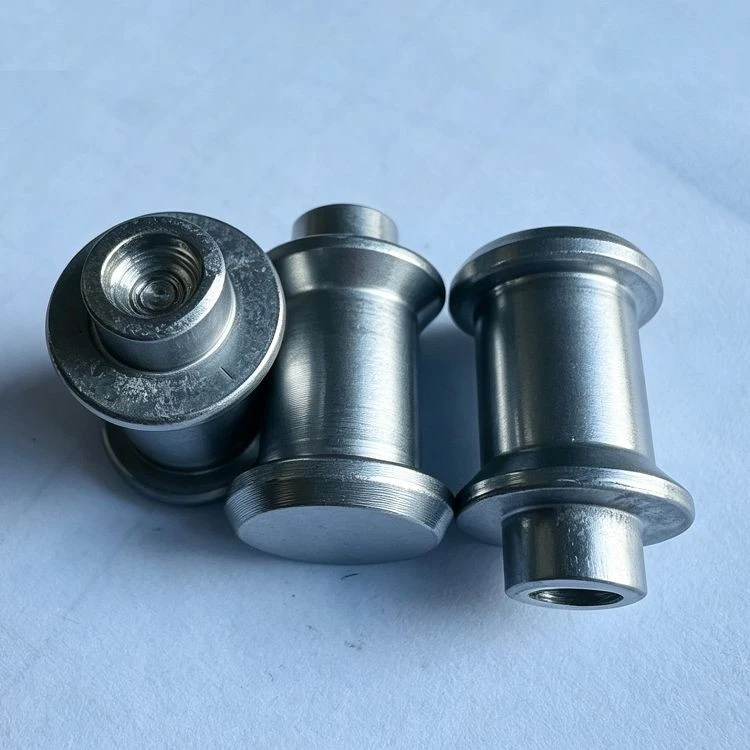
In standard screws, manufacturers often provide recommended torque values based on the screw's size, material, and thread pitch. However, non-standard screws, such as those with custom sizes, materials, or thread profiles, don't have readily available torque guidelines. This is where the challenge lies, and where a systematic approach to torque calculation becomes necessary.
Factors Affecting Torque Values for Non-Standard Screws
Before delving into the calculation methods, it's important to understand the factors that influence the torque values of non-standard screws:
-
Material Properties: The material of the screw and the mating parts plays a significant role. Harder materials generally require more torque to achieve the same clamping force compared to softer materials. For example, a screw made of stainless steel might need more torque than a brass screw of the same size when used in a similar application.
-
Screw Geometry: Non-standard screws can have unique geometries, such as custom head shapes, thread profiles, or diameters. These variations affect the friction between the screw and the mating parts, which in turn impacts the torque required. For instance, a screw with a fine thread will typically require more torque than one with a coarse thread of the same diameter.
-
Surface Finish: The surface finish of the screw and the mating parts affects friction. A smooth surface finish reduces friction, while a rough surface increases it. This means that a screw with a polished finish might require less torque than one with a rough, uncoated surface.
-
Lubrication: The use of lubricants can significantly reduce friction and, consequently, the torque required. When calculating torque values, it's important to take into account whether lubrication is present and what type of lubricant is being used.
Calculation Methods
There are several methods available for calculating torque values for non-standard screws. Here are two commonly used approaches:
Method 1: Using the Torque Coefficient Formula
The torque coefficient formula is a widely accepted method for calculating torque values. The formula is as follows:
[ T = K \times D \times F ]
Where:
- ( T ) is the torque (in N·m or ft·lbs)
- ( K ) is the torque coefficient
- ( D ) is the nominal diameter of the screw (in mm or inches)
- ( F ) is the desired clamping force (in N or lbs)
The torque coefficient (( K )) takes into account the friction between the screw threads and the mating parts, as well as the friction under the screw head. The value of ( K ) can vary depending on the factors mentioned earlier, such as material, surface finish, and lubrication. For non-standard screws, determining the appropriate ( K ) value can be challenging. It often requires testing or referring to industry standards and guidelines.
For example, if you have a non-standard screw with a nominal diameter of 8 mm, and you want to achieve a clamping force of 1000 N, and you estimate the torque coefficient (( K )) to be 0.2, you can calculate the torque as follows:
[ T = 0.2 \times 0.008 \ m \times 1000 \ N = 1.6 \ N·m ]
Method 2: Experimental Testing
Experimental testing is another reliable method for determining torque values for non-standard screws. This involves conducting tests on sample screws and mating parts to measure the torque required to achieve a specific clamping force.
To perform experimental testing, you'll need a torque wrench and a device to measure the clamping force, such as a load cell. You can start by applying a known torque to the screw and measuring the resulting clamping force. Repeat this process with different torque values to establish a relationship between torque and clamping force.
Once you have a set of data points, you can plot a graph of torque versus clamping force and determine the appropriate torque value for your desired clamping force. This method is particularly useful when dealing with complex non-standard screw geometries or when the material properties are not well-defined.
Importance of Accurate Torque Calculation
Accurately calculating the torque value for non-standard screws is crucial for the safety and reliability of the assembled components. In applications such as aerospace, automotive, and machinery, a loose or over-tightened screw can lead to catastrophic failures.
For example, in an aircraft, a loose screw in a critical component could cause vibrations that lead to structural damage or even a mid-air failure. On the other hand, an over-tightened screw could crack the mating material, weakening the overall structure.
As a Non Standard Screw supplier, I understand the importance of providing our customers with accurate torque recommendations. That's why we offer technical support and assistance to help our customers calculate the appropriate torque values for their non-standard screws.
Additional Considerations
- Cold Heading Fasteners: Many non-standard screws are manufactured using the cold heading process, which can affect the screw's mechanical properties. Cold heading can increase the strength and hardness of the screw, which may require adjustments to the torque calculation. For more information on Cold Heading Fasteners, visit our website.
- Non Standard Screw Heads: Non-standard screw heads can also impact the torque required. Different head shapes, such as hexagon, Phillips, or Torx, have different levels of engagement with the screwdriver or wrench, which can affect the amount of torque that can be applied. For more details on Non Standard Screw Heads, check out our website.
- Non Standard Bolts and Fasteners: The principles of torque calculation for non-standard screws also apply to non-standard bolts and other fasteners. If you're working with Non Standard Bolts or Non Standard Fasteners, the same factors and calculation methods should be considered.
Conclusion
Calculating the torque value for non-standard screws is a complex but essential process. By understanding the factors that affect torque, using appropriate calculation methods, and conducting experimental testing when necessary, you can ensure that your non-standard screws are tightened to the correct torque, resulting in safe and reliable assemblies.
If you're in the market for non-standard screws or need assistance with torque calculation, don't hesitate to contact us. We're here to provide you with high-quality non-standard screws and the technical support you need to make your project a success.
References
- Machinery's Handbook, 31st Edition
- ASME B18.2.1 - 2017, Unified Inch Screw Threads (UN and UNR Thread Forms)
- ISO 898-1:2013, Mechanical properties of fasteners made of carbon steel and alloy steel - Part 1: Bolts, screws and studs