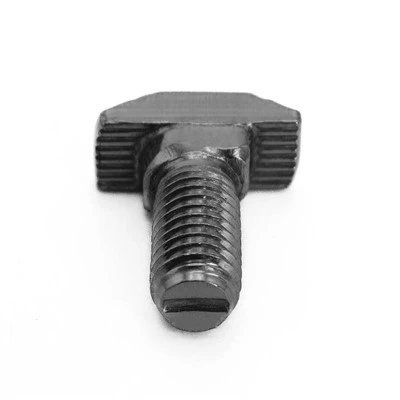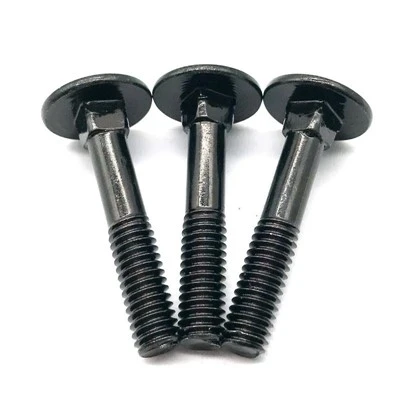
Hey there, folks! As a supplier of flat head step rivets, I often get asked if these little guys cause any surface damage during installation. It's a valid concern, especially when you're working on high - end projects or delicate materials. So, let's dive into this topic and see what's what.
Understanding Flat Head Step Rivets
First off, let's quickly go over what flat head step rivets are. These rivets have a flat head, which means they sit flush with the surface when installed. The "step" part is about the different diameters along the length of the rivet. This design allows for a secure connection between multiple layers of materials with different thicknesses.
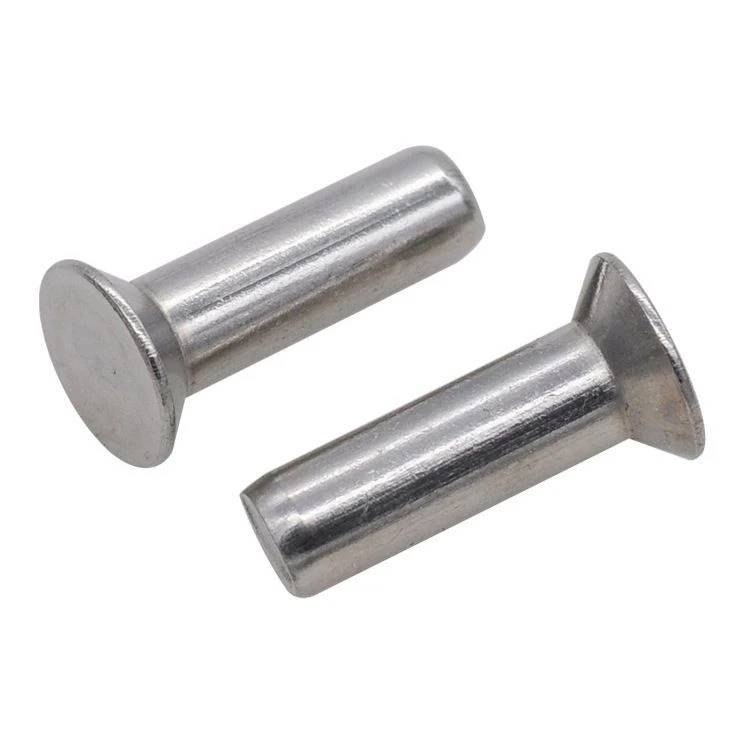
We offer a wide range of rivets, including Step Rivet, Countersunk Solid Rivets, Semi - tubular Rivet, Hollow End Rivets, and Slotted Rivet.
Factors That Affect Surface Damage
Material of the Rivet
The material of the flat head step rivet plays a huge role in whether it'll cause surface damage or not. For example, if you're using a hard - metal rivet like steel on a soft - material surface such as aluminum or plastic, there's a higher chance of scratching or denting. On the other hand, if you choose a rivet made of a softer material that's compatible with the surface, the risk of damage goes down.
Installation Method
How you install the rivet is also super important. There are a couple of ways to install flat head step rivets: manual and using a riveting machine.
- Manual Installation: When you're doing it by hand, you're relying on a hammer and a bucking bar. If you're not careful with your hammer strikes, you can easily hit the surface around the rivet hole, causing dents or scratches. Also, if the bucking bar isn't properly aligned, it can leave marks on the backside of the material.
- Riveting Machine: Using a riveting machine is generally more precise. These machines are designed to apply even pressure, which reduces the risk of uneven impacts that can lead to surface damage. However, if the machine isn't calibrated correctly, it can still cause problems. For instance, if the pressure is too high, it can crush or deform the surrounding material.
Hole Size and Fit
The size of the hole you drill for the rivet is crucial. If the hole is too small, you'll have to force the rivet in, which can cause the material to crack or split. On the other hand, if the hole is too large, the rivet won't hold securely, and the constant movement can wear down the surface over time. A proper fit ensures that the rivet seats correctly without causing excessive stress on the material.
Reducing the Risk of Surface Damage
Choose the Right Rivet
As mentioned before, pick a rivet material that's compatible with the surface you're working on. For soft materials, you might want to consider using aluminum or brass rivets. If you're dealing with heavy - duty applications, stainless steel could be a good option, but you need to be extra careful during installation.
Use the Right Tools
Invest in high - quality installation tools. For manual installation, get a hammer with a soft face (like nylon or rubber) to avoid direct metal - to - metal contact that can cause scratches. When using a riveting machine, make sure it's well - maintained and calibrated according to the specifications of the rivet and the material.
Prepare the Surface
Before installing the rivet, clean the surface to remove any dirt, debris, or oil. This not only helps with the installation process but also reduces the risk of the installation tools slipping and causing damage. You can also use a protective film or tape on the surface around the rivet hole to act as a buffer.
Case Studies: Surface Damage or Not?
Let's take a look at a couple of real - life examples to better understand the situation.
Example 1: Woodworking Project
A furniture maker was using flat head step rivets to assemble a wooden cabinet. They chose brass rivets because they're relatively soft and won't scratch the wood easily. The holes were drilled to the correct size, and the installation was done using a manual hammer and bucking bar technique. By using a rubber - faced hammer and taking their time with each strike, they managed to install the rivets without causing any visible surface damage. The end result was a beautiful, scratch - free cabinet.
Example 2: Automotive Application
In an automotive repair shop, a mechanic was replacing a panel using flat head step rivets. They used steel rivets, which are strong but hard. The mechanic didn't take the time to calibrate the riveting machine properly, and the pressure was too high. As a result, the surface around the rivet holes got dented, and the paint chipped off in some areas. This shows how important proper tool use is.

Conclusion
So, do flat head step rivets cause any surface damage during installation? The answer is, it depends. If you choose the right rivet material, use the correct installation method and tools, and prepare the surface properly, you can minimize or even eliminate the risk of surface damage.
As a supplier, I'm here to help you make the best choice for your projects. Whether you're working on a small DIY job or a large - scale industrial project, we've got the right rivets for you. If you've got any questions about which type of rivet is best for your application or how to install them without causing damage, don't hesitate to reach out. We're more than happy to assist you in your procurement process and ensure that you get the most out of our flat head step rivets.
References
- "Fastener Technology Handbook", Second Edition, J.H. Bickford.
- "Rivet Installation Guidelines" from industry - standard manufacturing resources.