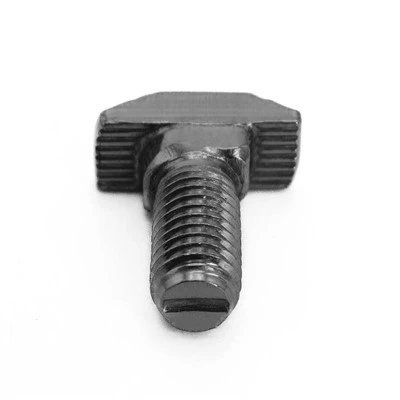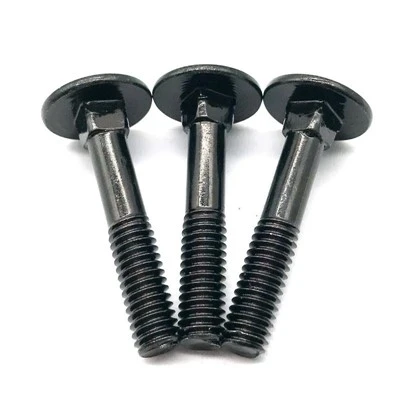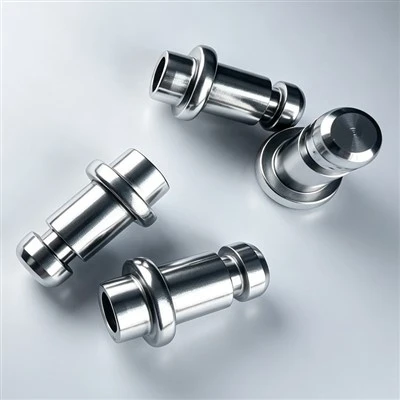
In the realm of fasteners, rust resistance is a crucial factor that significantly influences the performance and longevity of these essential components. As a supplier of Rust Proof Fasteners, I've witnessed firsthand the varying demands and inquiries regarding the differences between rust-proof fasteners and stainless - steel fasteners in terms of rust resistance. In this blog, I will delve into a comprehensive comparison of these two types of fasteners.
Introduction to Rust - Proof and Stainless - Steel Fasteners
Before we dive into the comparison, let's briefly introduce these two types of fasteners. Rust - Proof Fasteners are specifically engineered and treated to resist the formation of rust. They often undergo processes such as galvanization, coating with anti - rust compounds, or using alloys that inherently have a high resistance to corrosion. On the other hand, stainless - steel fasteners are made from stainless - steel alloys, which contain chromium (usually at least 10.5%) that forms a passive layer on the surface, protecting the metal from corrosion.
Chemical Composition and Rust Resistance Mechanisms
The chemical composition of both types of fasteners plays a vital role in their rust - resistance capabilities. Rust - Proof Fasteners can be made from a variety of base materials like carbon steel. For example, galvanized fasteners are coated with a layer of zinc. Zinc is more reactive than iron (the main component of steel), so when exposed to an environment where rusting could occur, the zinc corrodes first, sacrificing itself to protect the underlying steel. This is known as sacrificial protection.
Stainless - steel fasteners, as mentioned earlier, rely on the formation of a chromium oxide layer on the surface. This layer is self - healing, which means that if the surface is scratched, the chromium in the alloy reacts with oxygen in the air to reform the protective layer, preventing rust from forming.
Rust Resistance in Different Environments
Mild and Indoor Environments
In mild and indoor environments where the humidity is relatively low and there is no exposure to harsh chemicals, both rust - proof and stainless - steel fasteners perform well. Rust - Proof Fasteners with a proper coating can resist rust for a long time. For instance, a galvanized carbon - steel fastener can last for years in a normal indoor storage or usage environment. Stainless - steel fasteners, on the other hand, maintain their pristine appearance and rust - free state due to the stable passive layer.
Harsh Outdoor Environments
In harsh outdoor environments, the differences become more apparent. Coastal areas with high salt content in the air pose a great challenge to fasteners. Saltwater can accelerate the corrosion process. Rust - Proof Fasteners may require more frequent inspections and potential re - coating over time. The galvanized layer on some fasteners may gradually erode in a highly corrosive coastal environment.
Stainless - steel fasteners generally have better long - term performance in such conditions. The high - grade stainless - steel alloys, such as 316 stainless steel, which contains molybdenum, offer excellent resistance to pitting corrosion caused by saltwater. However, it's important to note that even stainless - steel fasteners can corrode if they are exposed to extreme conditions for an extended period.
Chemical - Rich Environments
In environments where there are chemicals such as acids, alkalis, or industrial pollutants, the performance of the fasteners can vary widely. Rust - Proof Fasteners may not be suitable for highly acidic or alkaline environments, as the coating or treatment may be damaged by the chemicals. For example, a simple galvanized fastener can be corroded by certain acids.

Stainless - steel fasteners, especially those made from high - quality alloys, can withstand a wider range of chemical exposures. But again, the specific type of stainless steel needs to be carefully selected according to the nature of the chemicals in the environment. For example, 304 stainless steel may not be as resistant to some strong acids as 316 stainless steel.
Cost - Effectiveness and Application Considerations
Cost
Cost is an important factor in the choice between rust - proof and stainless - steel fasteners. Rust - Proof Fasteners are generally more cost - effective, especially in large - scale applications. The base materials for rust - proof fasteners like carbon steel are relatively inexpensive, and the coating or treatment processes are also less costly compared to the production of stainless - steel alloys.
Stainless - steel fasteners, due to the higher cost of the raw materials and the more complex manufacturing processes, are more expensive. However, in applications where long - term rust resistance is crucial and the cost of replacement is high, the higher upfront cost of stainless - steel fasteners may be justified.
Applications
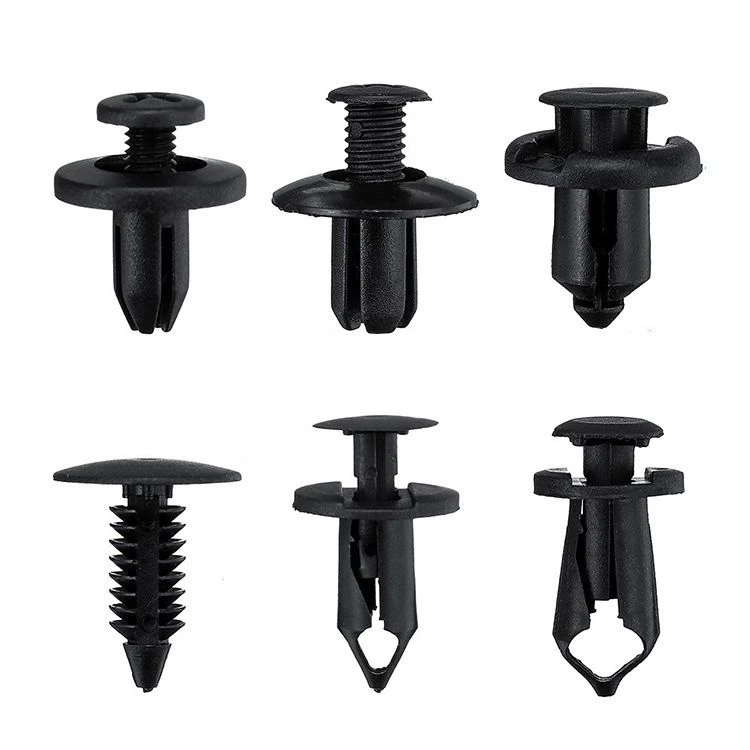
For automotive applications, Car Fasteners Fixings come in various forms. Rust - Proof Fasteners are commonly used in many non - critical parts of a car. They can provide sufficient rust resistance in normal driving conditions and are cost - effective for mass production. For example, Rivets On Car that are used for interior or non - exposed parts can often be made from rust - proof materials.
Body Fasteners for Cars that are exposed to the external environment may require a higher level of rust resistance. In some cases, stainless - steel fasteners are used to ensure long - term durability and safety. High - end cars with a focus on longevity and resistance to corrosion in all conditions may use stainless - steel fasteners more extensively.
In industrial machinery, Rust Proof Fasteners can be used in many general - purpose applications where the environmental conditions are not extremely harsh. They can save costs without sacrificing too much on rust resistance. For critical components that are exposed to corrosive agents or need to maintain a high level of integrity over a long time, High Strength Automotive Fasteners made from stainless - steel may be preferred.
Conclusion
In conclusion, both rust - proof and stainless - steel fasteners have their own advantages and disadvantages in terms of rust resistance. Rust - Proof Fasteners are a cost - effective solution for many applications, especially in mild environments or where cost is a major concern. They offer sufficient rust resistance in normal usage scenarios.
Stainless - steel fasteners, on the other hand, provide superior long - term rust resistance, especially in harsh environments. Their self - healing passive layer and wide - ranging chemical resistance make them an ideal choice for applications where rust could cause significant safety or performance issues.
As a supplier of Rust Proof Fasteners, I understand that each customer's needs are unique. Whether you are in the automotive industry, industrial manufacturing, or other sectors, I am here to help you choose the right fasteners for your specific applications. If you are interested in our Rust Proof Fasteners or have any questions about which fasteners are best for your project, feel free to reach out and start a procurement discussion. Let's find the perfect solution together to meet your requirements for rust - resistant fasteners.
References
- Metals Handbook: Corrosion, ASM International.
- Corrosion Science and Engineering, various academic research papers.
- Automotive Fastener Standards and Guidelines, industry - specific publications.