Can Non Standard Fasteners Be Used in Railway Equipment?
In the highly specialized and safety - critical field of railway equipment, the selection of fasteners is a topic of utmost importance. As a supplier of Non Standard Fasteners, I am often asked whether non - standard fasteners can be safely and effectively used in railway applications. This blog aims to explore this question in depth, considering the technical, regulatory, and economic aspects.
Technical Feasibility
Railway equipment operates under extremely harsh conditions, including high vibrations, heavy loads, and varying weather conditions. Standard fasteners are designed to meet a set of established industry standards, which provide a certain level of guarantee for performance and reliability. However, there are scenarios where non - standard fasteners may be a viable option.
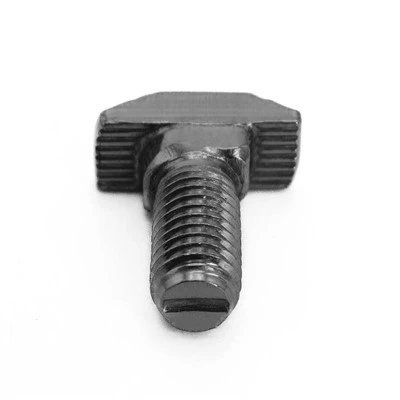
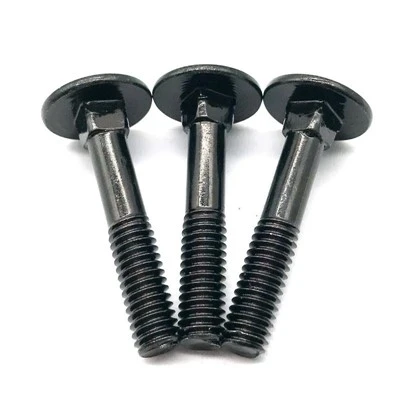
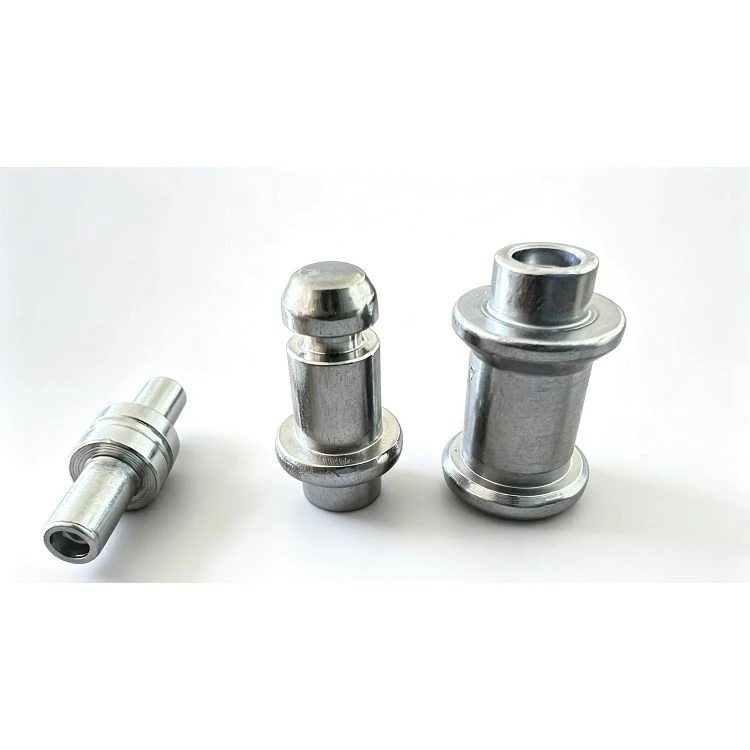
For instance, in some customized railway components or retrofit projects, standard fasteners may not fit the specific geometric or mechanical requirements. Let's take a look at Non Standard Bolts. These bolts can be designed with unique lengths, diameters, or thread profiles to accommodate non - standard mounting hole configurations or load - bearing needs. Engineers may need to secure components in tight spaces where standard bolts are too large or in positions where the traditional thread patterns will not work effectively. By using non - standard bolts, the overall design of the railway equipment can be more optimized and efficient.
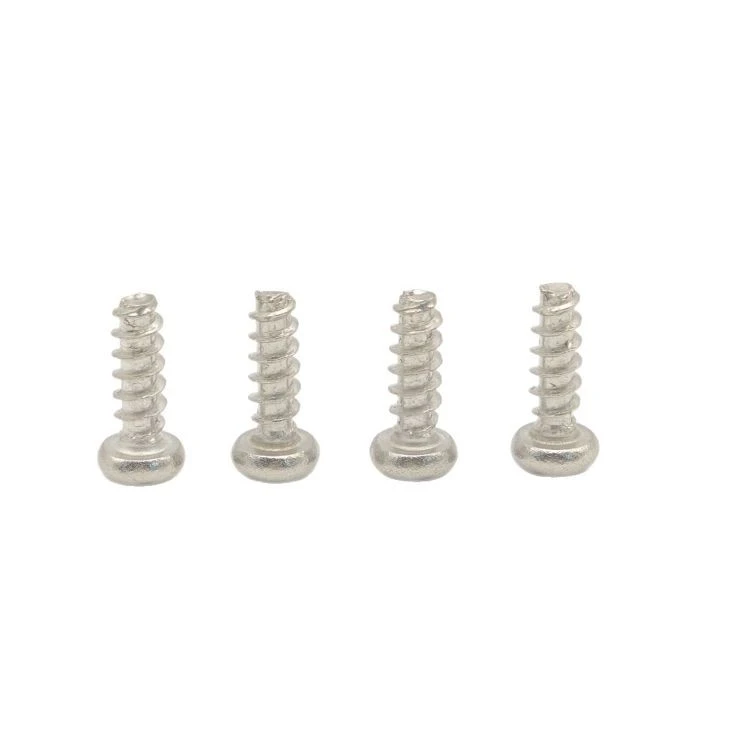
Non Standard Screws also play a crucial role. In areas where anti - loosening properties are of special concern, non - standard screw designs can incorporate features such as lock nuts or special thread forms to prevent loosening due to vibrations. This is particularly important for the stability and safety of railway carriages and the track - side equipment.
Non Standard Screw Heads are another area where customization can provide significant benefits. Different screw head shapes, such as hexagonal, square, or custom - shaped heads, can be used based on the ease of installation and the specific access requirements of the equipment. In some cases, a unique screw head may be required to prevent unauthorized tampering, which is an important security feature for railway systems.
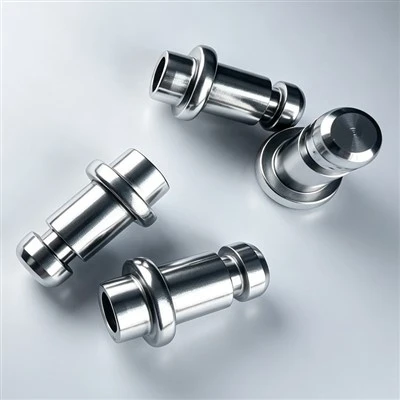
Cold forging is a common manufacturing process for producing high - strength fasteners. Cold Heading Parts can be customized into non - standard shapes and sizes. Cold forging can improve the mechanical properties of the fasteners, such as strength and toughness, making them suitable for the demanding environment of railway applications. By using advanced cold - forging techniques, we can produce non - standard fasteners with precise dimensional accuracy and excellent surface finish, ensuring a perfect fit and reliable performance.
Regulatory Considerations
The railway industry is heavily regulated to ensure the safety of passengers and freight. The use of non - standard fasteners must comply with relevant national and international standards and regulations. In many countries, railway equipment must meet strict safety requirements set by the transportation authorities.
Before using non - standard fasteners, it is essential to conduct a comprehensive risk assessment. This includes evaluating the mechanical properties of the fasteners, such as tensile strength, shear strength, and fatigue resistance. The non - standard fasteners need to be tested to prove that they can withstand the loads and stresses that they will experience during the normal operation of the railway equipment.
It is also important to ensure that the non - standard fasteners do not have a negative impact on the overall safety and performance of the railway system. For example, if a non - standard fastener fails prematurely, it could lead to the loosening or detachment of components, which may cause serious accidents. Therefore, when providing non - standard fasteners for railway applications, suppliers should work closely with railway manufacturers and safety regulatory agencies to ensure that all necessary approvals and certifications are obtained.
Economic Advantages
In some cases, non - standard fasteners can offer economic benefits. For new railway equipment designs or retrofit projects, using non - standard fasteners can reduce the overall manufacturing and assembly costs. By custom - designing the fasteners to fit the specific requirements of the equipment, there is no need to make costly modifications to the existing components to accommodate standard fasteners.
Non - standard fasteners can also improve the efficiency of the production process. In some mass - production scenarios, customized fasteners can be designed in a way that simplifies the assembly process, reducing labor costs and production time. Additionally, for long - term operation, non - standard fasteners with better performance and durability may reduce the frequency of maintenance and replacement, resulting in lower life - cycle costs.
The Supplier's Role
As a supplier of non - standard fasteners for railway equipment, our role is to ensure the highest quality and safety of our products. We have a team of experienced engineers who can work closely with railway manufacturers to understand their specific requirements and design non - standard fasteners that meet or exceed the necessary standards.
We use advanced manufacturing technologies and quality control systems to ensure the consistency and reliability of our non - standard fasteners. Every batch of products undergoes strict testing to verify their mechanical properties, dimensional accuracy, and surface quality. We also keep up - to - date with the latest regulatory requirements in the railway industry to ensure that our products are fully compliant.
Conclusion
In summary, non - standard fasteners can be used in railway equipment under certain conditions. They offer technical advantages in terms of customization, can comply with regulatory requirements through proper testing and certification, and may provide economic benefits. However, the use of non - standard fasteners must be carefully considered and managed to ensure the safety and reliability of the railway system.
If you are a railway equipment manufacturer or involved in a railway project and are interested in exploring the use of non - standard fasteners, we are here to help. Our team of experts can provide you with professional advice and high - quality products. We encourage you to contact us to discuss your specific needs and start a procurement negotiation that will lead to a successful and safe railway solution.
References
- Railway Safety Standards Handbook, International Railway Safety Association
- Cold Forging Technology and Applications, Journal of Manufacturing Science and Engineering
- Non - Standard Fasteners in Specialized Industries, Proceedings of the International Fastener Conference