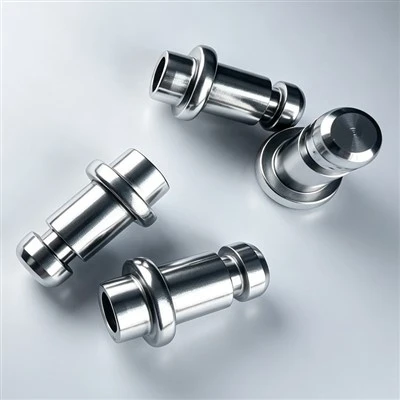
Fixed cylindrical pins are essential components in various mechanical applications, offering a range of advantages that make them a popular choice among engineers and manufacturers. As a supplier of Fixed Cylindrical Pin, I have witnessed firsthand the benefits these pins bring to different industries. In this blog post, I will explore the key advantages of using fixed cylindrical pins and why they are a reliable solution for many mechanical connections.
Precise Alignment
One of the primary advantages of fixed cylindrical pins is their ability to provide precise alignment between two or more components. These pins are designed with a high degree of dimensional accuracy, ensuring a tight fit within the mating holes. This precision is crucial in applications where accurate positioning is required, such as in machinery, automotive engines, and electronic devices. By using fixed cylindrical pins, engineers can ensure that components are properly aligned, reducing the risk of misalignment and improving the overall performance and reliability of the system.
For example, in a precision machining operation, fixed cylindrical pins can be used to align the workpieces and the cutting tools. The accurate positioning provided by the pins ensures that the machining process is carried out with high precision, resulting in parts that meet the required specifications. Similarly, in an automotive engine, fixed cylindrical pins are used to align the camshaft and the crankshaft, ensuring proper timing and smooth operation of the engine.
High Strength and Durability
Fixed cylindrical pins are typically made from high-strength materials such as steel, stainless steel, or alloy steel. These materials offer excellent mechanical properties, including high tensile strength, hardness, and wear resistance. As a result, fixed cylindrical pins can withstand high loads and stresses without deforming or breaking.
In applications where the pins are subjected to repeated loading or vibration, such as in heavy machinery or automotive suspensions, the high strength and durability of fixed cylindrical pins are particularly important. These pins can maintain their integrity over long periods of time, reducing the need for frequent replacements and minimizing downtime.
Easy Installation and Removal
Another advantage of fixed cylindrical pins is their ease of installation and removal. These pins can be easily inserted into the mating holes using a simple press or hammering operation. The smooth cylindrical shape of the pins allows for a quick and hassle-free installation process.
Similarly, when it comes to removal, fixed cylindrical pins can be easily extracted using a pin punch or a similar tool. This ease of installation and removal makes fixed cylindrical pins a convenient choice for applications where components need to be disassembled and reassembled frequently, such as in maintenance and repair operations.
Cost-Effective Solution
Fixed cylindrical pins are a cost-effective solution for many mechanical connections. They are relatively inexpensive to manufacture compared to other types of fasteners, such as bolts or screws. Additionally, the ease of installation and removal of fixed cylindrical pins reduces labor costs associated with assembly and disassembly operations.
In applications where a large number of pins are required, the cost savings can be significant. For example, in the automotive industry, where thousands of pins are used in each vehicle, the use of fixed cylindrical pins can result in substantial cost savings over the production of a large number of vehicles.

Versatile Applications
Fixed cylindrical pins have a wide range of applications in various industries. They are commonly used in machinery, automotive, aerospace, electronics, and many other fields. Some of the specific applications of fixed cylindrical pins include:
- Mechanical Linkages: Fixed cylindrical pins are used to connect different parts of a mechanical linkage, such as levers, rods, and gears. They provide a reliable and rigid connection, allowing for the transfer of motion and force between the components.
- Jigs and Fixtures: In the manufacturing industry, fixed cylindrical pins are used in jigs and fixtures to locate and hold workpieces in place during machining, assembly, or inspection operations. The precise alignment provided by the pins ensures that the workpieces are accurately positioned, resulting in high-quality products.
- Electrical Connectors: Fixed cylindrical pins are used in electrical connectors to provide a secure and reliable connection between the electrical components. They ensure proper electrical conductivity and prevent the connectors from coming loose due to vibration or other external forces.
- Automotive Engines: As mentioned earlier, fixed cylindrical pins are used in automotive engines to align the camshaft and the crankshaft, ensuring proper timing and smooth operation of the engine. They are also used in other engine components, such as the valve train and the piston assembly.
Comparison with Other Types of Pins
While fixed cylindrical pins offer many advantages, it is important to compare them with other types of pins to determine the best choice for a specific application. Some of the other types of pins commonly used in mechanical connections include Knurled Spline Rivet, Cylindrical Pin, Connecting Pin, and Revolving Shafts.
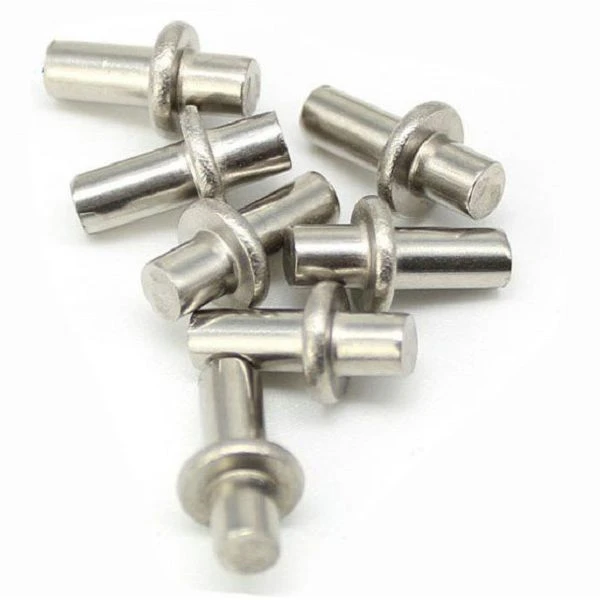
- Knurled Spline Rivet: Knurled spline rivets are designed for applications where a high degree of torque transfer is required. They have a knurled surface that provides a better grip and prevents the rivet from rotating within the mating hole. However, they are more complex and expensive to manufacture compared to fixed cylindrical pins.
- Cylindrical Pin: Cylindrical pins are similar to fixed cylindrical pins, but they are not designed to be fixed in place. They are typically used for applications where a loose fit is required, such as in hinge joints or pivot points.
- Connecting Pin: Connecting pins are used to connect two or more components together. They are similar to fixed cylindrical pins, but they may have a different shape or design to accommodate specific connection requirements.
- Revolving Shafts: Revolving shafts are used to transmit rotational motion from one component to another. They are typically made from a solid or hollow cylindrical shaft and may have a keyway or other features to ensure proper alignment and torque transfer.
In general, fixed cylindrical pins are a good choice for applications where precise alignment, high strength, and ease of installation are required. They are also a cost-effective solution for many applications. However, the specific requirements of the application should be considered when choosing the appropriate type of pin.
Conclusion
In conclusion, fixed cylindrical pins offer a range of advantages that make them a popular choice for many mechanical connections. Their ability to provide precise alignment, high strength and durability, easy installation and removal, cost-effectiveness, and versatile applications make them a reliable solution for various industries.
If you are in need of high-quality fixed cylindrical pins for your application, please feel free to contact us. Our team of experts can help you select the right pins for your specific requirements and provide you with the best possible solution. We look forward to the opportunity to work with you and contribute to the success of your projects.
References
- "Mechanical Engineering Handbook," edited by Myer Kutz, John Wiley & Sons, 2005.
- "Design of Machine Elements," by Robert L. Norton, Prentice Hall, 2004.
- "Automotive Engineering Fundamentals," by William H. Crouse and Donald L. Anglin, Elsevier Science & Technology, 2005.