Hey there, fellow fastener enthusiasts! I'm a supplier of Non Standard Fasteners, and today we're gonna dig into a question that often pops up: Are non standard fasteners compatible with standard parts?
Let's start by understanding what we mean by non standard and standard fasteners. Standard fasteners are those that follow well - established industry standards. These standards define things like size, shape, and material specifications. For example, a standard bolt might have a specific diameter, thread pitch, and head shape that are recognized across the industry. They're used in a wide range of applications because they offer a high level of compatibility and interchangeability.
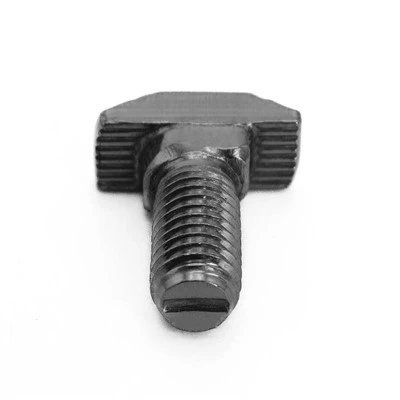
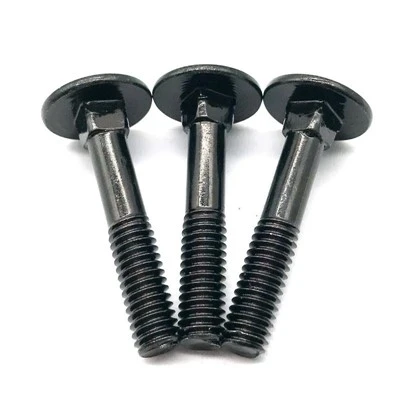
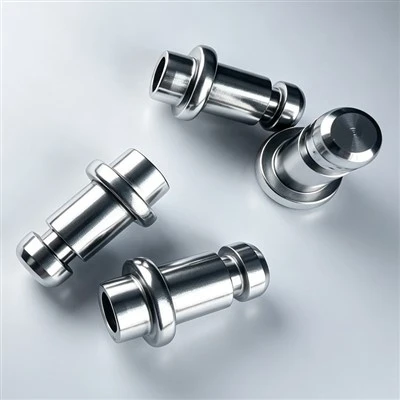
On the other hand, non standard fasteners are custom - made to meet specific requirements. As a supplier, I've seen all sorts of non standard designs. Some might have unique Non Standard Screw Heads that are shaped to fit a particular machine or assembly, or Non Standard Bolts with special dimensions to handle extreme loads.
Now, when it comes to compatibility. Well, it's not a one - size - fits - all answer. In some cases, non standard fasteners can work just fine with standard parts. Let me give you an example. Say you have a standard piece of equipment, but you need a screw that can withstand a higher level of corrosion. You could order a Non Standard Screw made from a special alloy. As long as the screw's diameter and thread pitch match the standard part it's going into, it should fit and function properly.
However, there are also situations where compatibility can be a real challenge. If a non standard fastener has a unique head shape, it might not fit into the existing tooling used for standard parts. For instance, if you're using a standard screwdriver, a non standard screw head might not allow the tool to gain a proper grip. This can lead to difficulties during installation and potential damage to the fastener or the part it's being fastened to.
Another aspect to consider is the strength and load - bearing capacity. Standard fasteners are designed to meet certain strength requirements based on industry standards. When using non standard fasteners, you need to make sure that they can handle the same loads as the standard parts they're replacing. This might involve getting detailed engineering information from the fastener supplier and doing some calculations to ensure safety.
Material compatibility is also crucial. Different materials can react differently when in contact with each other. For example, if a standard part is made of steel and a non standard fastener is made of a dissimilar metal, there could be a risk of galvanic corrosion. This can weaken the fastener over time and compromise the integrity of the entire assembly.
As a Non Standard Fasteners supplier, I've worked with many customers to find the right solutions. Sometimes, it's about making minor adjustments to a standard design to create a non standard fastener that's still compatible with most standard parts. Other times, it requires a completely custom - made solution.
One of the benefits of using non standard fasteners is that they can offer improved performance. They can be optimized for specific applications, which can lead to better efficiency and longer service life. But as with anything, there are trade - offs. The compatibility issue is something that needs to be carefully considered.
If you're thinking about using non standard fasteners with your standard parts, here are some tips. First, communicate clearly with your fastener supplier. Let them know exactly what you need the fastener for, the standard parts it will be paired with, and any specific requirements such as strength, corrosion resistance, or operating environment. Second, ask for samples if possible. You can test these samples to see how well they work with your standard parts before placing a large order.
Now, let's talk about the manufacturing process of non standard fasteners. At our end, we often use cold heading technology, which is highly efficient for producing custom fasteners. Cold heading is a process where metal is formed at room temperature by applying pressure. It allows for precise control over the shape and dimensions of the fastener. You can learn more about Cold Heading Fasteners on our website.
By using cold heading, we can create non standard fasteners with consistent quality and tight tolerances. This is important because even small variations in the dimensions of a non standard fastener can affect its compatibility with standard parts.

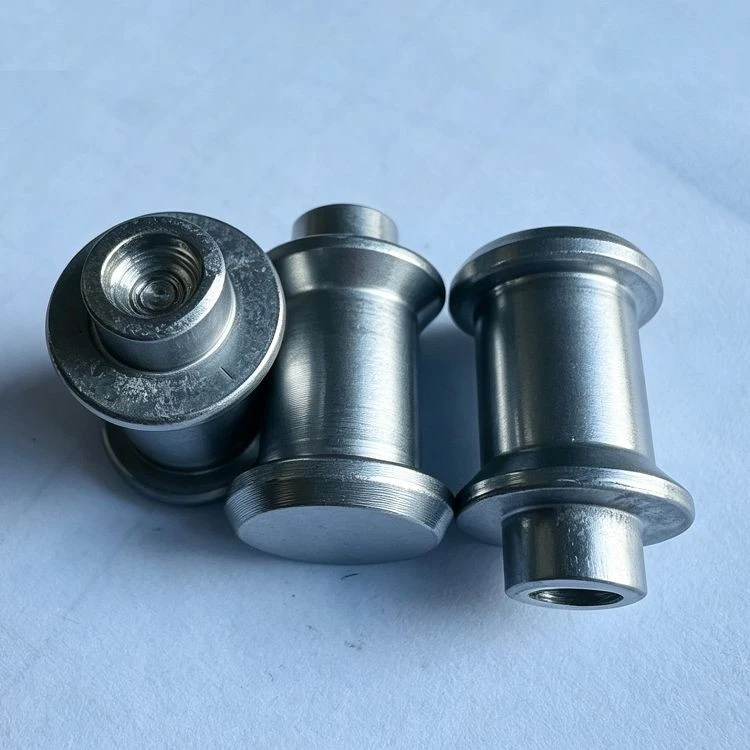
In conclusion, whether non standard fasteners are compatible with standard parts depends on a variety of factors. With careful planning, communication with your supplier, and proper testing, it's often possible to achieve a good fit and performance.
If you're in the market for high - quality Non Standard Fasteners, I'd love to help you find the right solutions for your specific needs. Don't hesitate to reach out to discuss your requirements and how we can work together to ensure a successful project.
References:
- Machinery's Handbook, 31st Edition. This classic reference provides in - depth information on fasteners, including standards and engineering principles.
- Fastener Technology Manual by Industrial Fastener Institute. It offers detailed knowledge on various types of fasteners and their applications.