Hey there! As a supplier of Cold Heading Parts, I've gotten tons of questions about the yield strength of these parts. So, I thought I'd take a deep dive into what yield strength really means for cold heading parts.
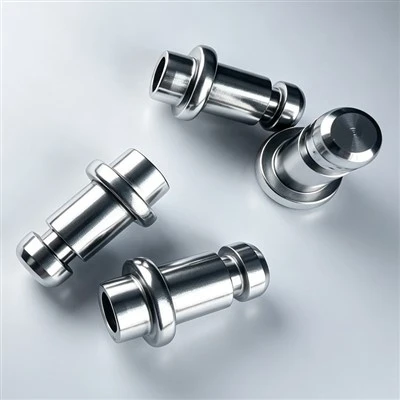
First off, let's break down what yield strength is. In simple terms, yield strength is the maximum stress a material can handle before it starts to deform permanently. When we talk about cold heading parts, this is a super important property. Cold heading is a process where metal is shaped at room temperature by applying pressure. This process is used to make all sorts of fasteners and other small parts, like Cold Heading Fasteners.
The yield strength of cold heading parts depends on a few different factors. One of the biggest factors is the material used. Different metals have different yield strengths. For example, steel is a common material for cold heading parts, and the yield strength of steel can vary widely depending on its composition and how it's treated. Some steels have a low yield strength, which means they'll start to deform more easily under stress. Other steels are high-strength, allowing them to handle much more stress before deforming.
Another factor that affects yield strength is the cold heading process itself. During cold heading, the metal is compressed and shaped, which can change its internal structure. This can actually increase the yield strength of the material. The process of cold working, as it's called, can make the metal stronger and more resistant to deformation. But it's a delicate balance. If the cold heading process is too aggressive, it can cause cracks or other defects in the part, which can actually reduce its yield strength.
Let's talk a bit about why yield strength matters in real-world applications. When you're using cold heading parts in a product, you need to know how much stress they can handle. If a part is going to be used in a high-stress environment, like in an automotive engine or a construction project, you'll want to use parts with a high yield strength. On the other hand, if the part is going to be used in a less demanding application, like a consumer product, you might be able to get away with parts that have a lower yield strength.
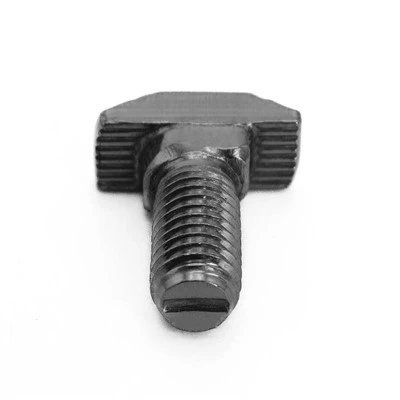
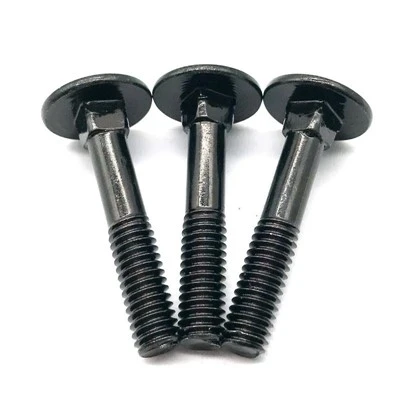
Now, let's take a look at some specific types of cold heading parts and how their yield strength is important. Non Standard Bolts are a common product made through cold heading. These bolts are used in all sorts of applications, from machinery to furniture. The yield strength of these bolts determines how much weight they can hold and how much torque they can withstand. If a bolt doesn't have a high enough yield strength, it could break under stress, which could lead to serious problems.
Non Standard Screw Heads are another important type of cold heading part. These screw heads are designed to fit specific applications, and their yield strength is crucial for ensuring that they don't strip or break when screws are tightened. A screw head with a low yield strength might start to deform or strip the threads, making it difficult or impossible to use the screw properly.
Non Standard Screw are also produced through cold heading. These screws are often used in custom applications where standard screws won't work. The yield strength of these screws is important for making sure they can be inserted and tightened without breaking. If a non - standard screw has a low yield strength, it might snap in the middle of installation, causing delays and potentially extra costs.
As a supplier of Cold Heading Parts, I understand the importance of providing parts with the right yield strength for each application. That's why we work closely with our customers to understand their needs and recommend the best materials and processes for their projects. We use high - quality materials and state - of - the - art manufacturing techniques to ensure that our cold heading parts have the optimal yield strength.
To measure the yield strength of our cold heading parts, we use a variety of testing methods. Tensile testing is one of the most common methods. In a tensile test, a sample of the part is pulled until it breaks, and the stress at which it starts to deform permanently is measured. This gives us an accurate picture of the part's yield strength. We also perform other tests, like hardness testing, which can give us an idea of the part's strength and its ability to resist deformation.
If you're in the market for cold heading parts, it's important to consider the yield strength of the parts you're buying. You don't want to end up with parts that are too weak for your application, as this could lead to product failures and safety issues. On the other hand, you also don't want to overspend on parts with a higher yield strength than you actually need.

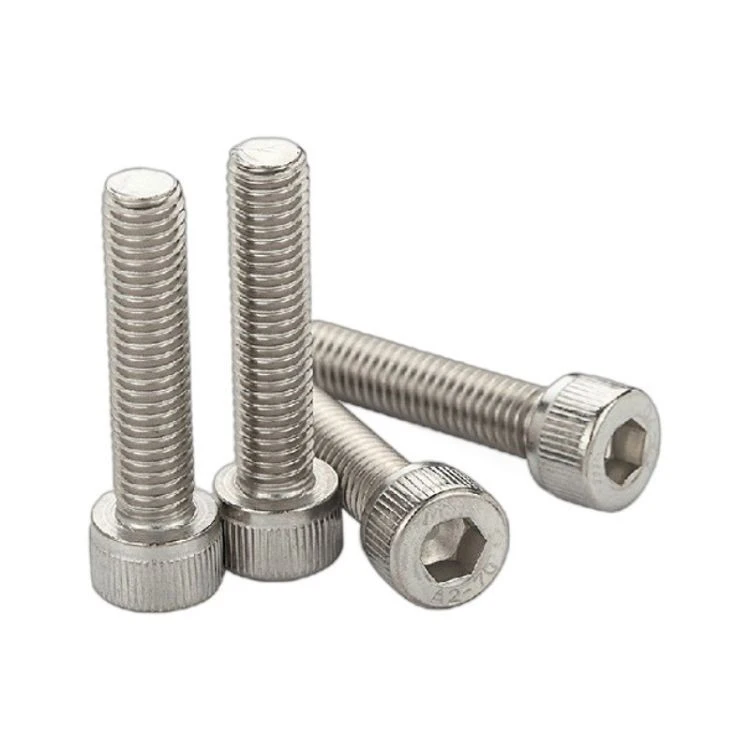
That's where we come in. As a trusted supplier of cold heading parts, we can help you choose the right parts for your project. We have a wide range of cold heading parts available, and we can work with you to customize parts to meet your specific requirements. Whether you need Non Standard Bolts, Non Standard Screw Heads, or any other type of cold heading part, we've got you covered.
So, if you're interested in learning more about our cold heading parts and how their yield strength can benefit your project, don't hesitate to reach out. We're here to answer your questions and help you make the best decisions for your business. Contact us today to start the conversation about your cold heading part needs.
References:
- Metals Handbook Volume 8: Mechanical Testing, ASM International
- Cold Forging Technology: Fundamentals and Applications, Springer