In the intricate world of mechanical engineering, the interaction between cylindrical pins and bearings plays a crucial role in ensuring the smooth and efficient operation of various systems. As a leading supplier of Cylindrical Pin, I have witnessed firsthand the significance of these components and their symbiotic relationship. In this blog post, I will delve into the details of how cylindrical pins interact with bearings in a system, exploring their functions, types, and the factors that influence their performance.
Understanding Cylindrical Pins and Bearings
Before we dive into the interaction between cylindrical pins and bearings, let's first understand what these components are and their individual functions.
Cylindrical Pins
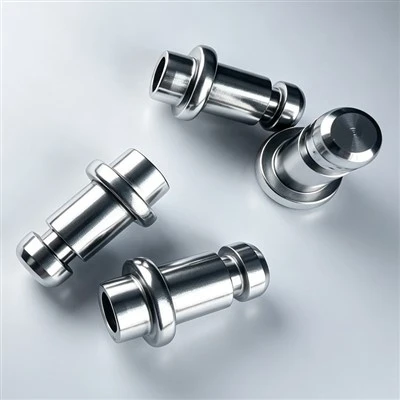
Cylindrical pins are simple yet versatile mechanical components typically made of steel, stainless steel, or other materials. They are characterized by their cylindrical shape with a uniform diameter along their length. These pins are used primarily for locating, joining, or securing parts in a variety of applications. They come in different types, including Fixed Cylindrical Pin, which are designed to be firmly fixed in place, and Connecting Pin, which are used to connect two or more parts while allowing relative movement.
Bearings
Bearings, on the other hand, are mechanical devices that support and guide moving parts, reducing friction between them and allowing smooth rotation or linear motion. They are essential components in many machines and mechanisms, from small household appliances to large industrial equipment. There are several types of bearings, such as ball bearings, roller bearings, and sleeve bearings, each with its own unique design and application.
The Interaction between Cylindrical Pins and Bearings
The interaction between cylindrical pins and bearings can be witnessed in various mechanical systems, and their relationship is often complementary. Here are some common scenarios where these components work together:
1. Locating and Aligning Bearings
Cylindrical pins are frequently used to locate and align bearings within a housing or a machine. By precisely positioning the bearings, the pins ensure that the rotating or moving parts are properly aligned, reducing the risk of misalignment and premature wear. For example, in an automotive engine, cylindrical pins are used to locate the crankshaft bearings, ensuring that the crankshaft rotates smoothly and accurately.
2. Securing Bearings in Place
In some applications, cylindrical pins are used to secure bearings in place, preventing them from moving or shifting during operation. This is particularly important in high - speed or high - load applications where any movement of the bearings can lead to catastrophic failure. For instance, in a turbine generator, cylindrical pins are used to secure the bearings in the housing, ensuring that they remain in position even under extreme conditions.
3. Transmitting Loads
Cylindrical pins can also play a role in transmitting loads between bearings and other components. When a load is applied to a bearing, the pin helps to transfer the load to the surrounding structure, distributing the force evenly and reducing stress on the individual components. This is common in industrial machinery, where heavy loads need to be transferred efficiently.
4. Allowing Relative Movement
In certain systems, the combination of cylindrical pins and bearings allows for relative movement between parts. For example, in a Revolving Shafts application, a cylindrical pin may be used to connect a shaft to a bearing, allowing the shaft to rotate freely while maintaining its position.
Factors Affecting the Interaction
Several factors can influence the interaction between cylindrical pins and bearings in a system. Understanding these factors is crucial for ensuring the optimal performance and longevity of the components.
1. Material Selection
The choice of materials for both the cylindrical pins and the bearings is critical. The materials must be compatible with each other to prevent corrosion, galling, or other forms of material degradation. For example, if the pin is made of a hard steel and the bearing is made of a softer bronze, there is a risk of the pin wearing into the bearing. Therefore, it is important to select materials with similar hardness and corrosion resistance.
2. Tolerance and Fit
The tolerance and fit between the cylindrical pin and the bearing are also important. A tight fit can ensure proper alignment and load - transfer, but it may also lead to increased stress and difficulty in installation. On the other hand, a loose fit can result in misalignment and excessive movement, causing premature wear. Therefore, it is essential to specify the correct tolerance and fit for the application.
3. Lubrication
Proper lubrication is crucial for reducing friction and wear between the cylindrical pin and the bearing. Lubricants can also help to protect the components from corrosion and contamination. The type of lubricant used depends on the application, operating conditions, and the materials of the components.
4. Operating Conditions
The operating conditions, such as temperature, speed, and load, can have a significant impact on the interaction between cylindrical pins and bearings. High temperatures can cause the materials to expand, affecting the fit and performance of the components. High speeds can increase the wear rate, while heavy loads can cause deformation. Therefore, it is important to design the system to withstand the expected operating conditions.


Types of Cylindrical Pins in Bearing Applications
As a cylindrical pin supplier, I offer a wide range of pins that are suitable for various bearing applications. Here are some of the common types:
1. Plain Cylindrical Pins
Plain cylindrical pins are the simplest type of cylindrical pins. They are used primarily for locating and aligning bearings and other components. These pins have a smooth surface and are available in different diameters and lengths.
2. Grooved Cylindrical Pins
Grooved cylindrical pins have one or more grooves along their length. These grooves can be used to retain a lubricant, reducing friction and wear. They are also useful for applications where the pin needs to be easily removable.
3. Knurled Spline Rivet
Knurled spline rivets are a special type of cylindrical pin that combines the features of a spline and a rivet. They are used for applications where a strong and permanent connection is required, such as in the assembly of bearings and shafts.
Importance of Quality Cylindrical Pins in Bearing Systems
Using high - quality cylindrical pins in bearing systems is of utmost importance. Inferior quality pins can lead to a variety of problems, including misalignment, premature wear, and even system failure. As a reliable cylindrical pin supplier, I ensure that all our pins are manufactured to the highest standards, using the best materials and advanced manufacturing processes.
Our pins are carefully inspected and tested to ensure that they meet the required specifications. We also offer customization services, allowing us to produce pins that are specifically designed for your unique application.
Contact for Procurement
If you are in need of high - quality cylindrical pins for your bearing applications, look no further. As a leading supplier, we have the expertise and resources to provide you with the best solutions. Whether you need standard pins or customized products, we can meet your requirements.
We invite you to contact us to discuss your needs and explore how our cylindrical pins can enhance the performance and reliability of your systems. Let's start a conversation and find the perfect solutions together.
References
- Jones, D. (2018). Mechanical Engineering Handbook. McGraw - Hill Professional.
- Smith, A. (2020). Bearings and Lubrication: A Practical Guide. Industrial Press Inc.
- Brown, C. (2019). Fasteners and Pin Connections in Engineering. Wiley.