Ensuring the concentricity of a revolving shaft is a critical aspect in the manufacturing and operation of various mechanical systems. As a supplier of Revolving Shafts, I understand the significance of maintaining high - level concentricity for the optimal performance and longevity of these components. In this blog, I will share some key methods and considerations to ensure the concentricity of a revolving shaft.
1. Understanding the Importance of Concentricity
Concentricity refers to the degree to which the axis of a revolving shaft coincides with the axis of its associated components, such as bearings or couplings. When a shaft has good concentricity, it can rotate smoothly, reducing vibration, noise, and wear on the shaft and other connected parts. This not only improves the efficiency of the mechanical system but also extends the service life of the components. For example, in a high - speed motor, the slightest misalignment of the revolving shaft can lead to excessive vibration, which may cause premature failure of the bearings and other critical parts.
2. Precision Manufacturing Processes
- Material Selection and Preparation
The quality of the material used for the revolving shaft has a direct impact on its concentricity. High - quality materials with uniform density and good mechanical properties are preferred. Before the manufacturing process, the raw material should be carefully inspected to ensure that there are no internal defects such as cracks or inclusions. For instance, if a shaft is made of a steel alloy, it should meet the specified chemical composition and mechanical property requirements. - Machining Operations
Precision machining is crucial for achieving high concentricity. Turning, grinding, and honing are common machining processes used for manufacturing revolving shafts. During the turning process, the cutting tools should be properly selected and adjusted to ensure that the shaft is machined to the correct diameter and surface finish. Grinding is often used to achieve a high - precision surface and improve the concentricity. The grinding wheel should be dressed regularly to maintain its sharpness and accuracy. Honing can further improve the surface finish and roundness of the shaft, which is beneficial for concentricity.
3. Assembly Considerations
- Proper Alignment of Components
When assembling the revolving shaft with other components such as bearings and couplings, proper alignment is essential. The use of alignment tools, such as laser alignment systems, can significantly improve the accuracy of alignment. These tools can measure the deviation between the axes of the shaft and the associated components and provide real - time feedback for adjustment. For example, in a large - scale industrial machine, a laser alignment system can quickly and accurately align the revolving shaft with the motor and other connected equipment. - Use of High - Quality Fasteners and Connectors
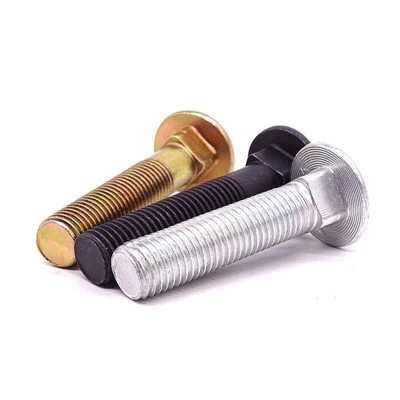
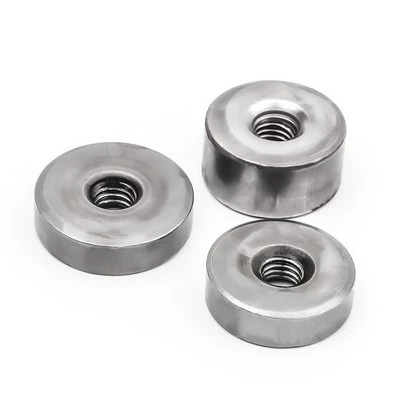
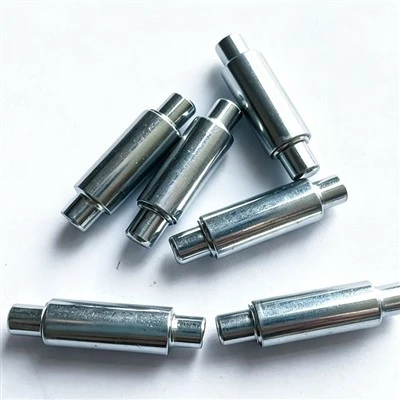
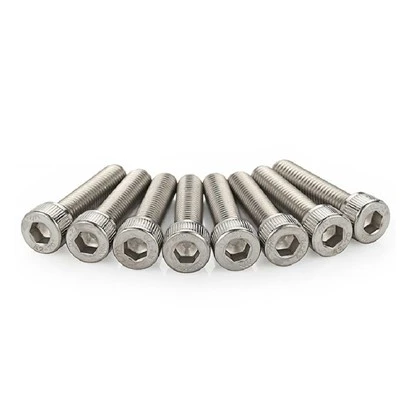
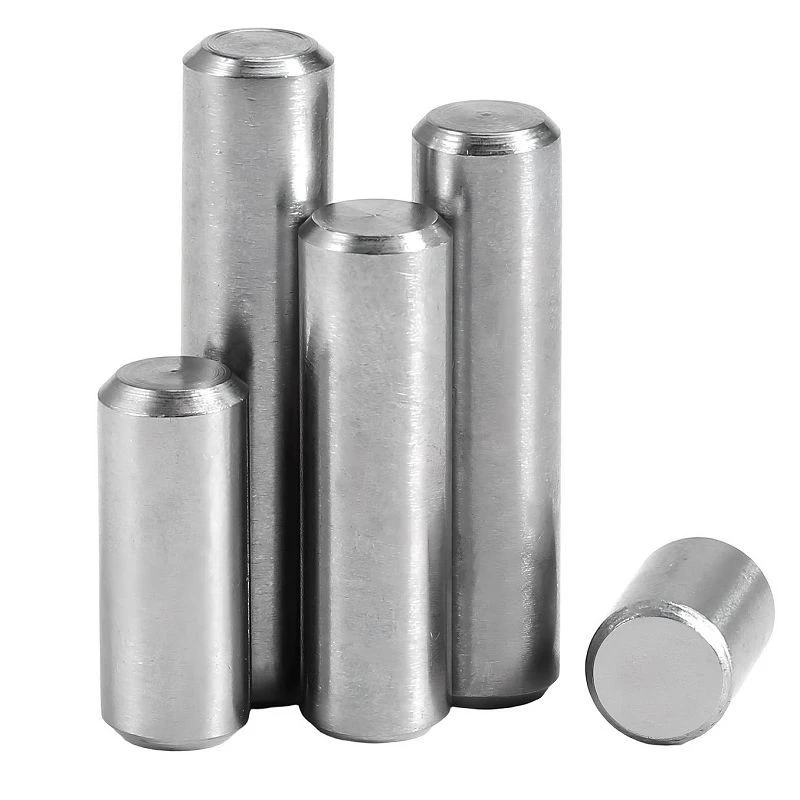
The fasteners and connectors used to secure the shaft and its associated components also play an important role in maintaining concentricity. High - quality Cylindrical Pin, Knurled Spline Rivet, Connecting Pin, and Fixed Cylindrical Pin should be used to ensure a tight and stable connection. These pins and rivets should have the correct dimensions and surface finish to prevent any misalignment or loosening during operation.
4. Inspection and Testing
- Dimensional Inspection
Regular dimensional inspection of the revolving shaft is necessary to ensure its concentricity. Coordinate measuring machines (CMMs) can be used to measure the diameter, roundness, and straightness of the shaft with high precision. By comparing the measured values with the specified tolerances, any deviations can be detected and corrected in a timely manner. - Dynamic Testing
Dynamic testing is also an important step in ensuring the concentricity of a revolving shaft. During dynamic testing, the shaft is rotated at different speeds, and its vibration and run - out are measured. Excessive vibration or run - out may indicate a problem with the concentricity. Balancing machines can be used to correct any imbalance in the shaft, which can also affect its concentricity.
5. Quality Control Systems
- In - Process Quality Control
Implementing an in - process quality control system is crucial for ensuring the concentricity of revolving shafts. At each stage of the manufacturing process, quality checks should be carried out to detect and correct any potential issues. This includes inspecting the raw materials, monitoring the machining operations, and verifying the assembly process. - Final Inspection and Certification
Before the revolving shafts are shipped to the customers, a final inspection should be carried out to ensure that they meet the specified quality standards. A certification of quality can be provided to the customers, which includes information about the concentricity and other important quality parameters of the shafts.
6. Maintenance and Monitoring
- Regular Maintenance
Regular maintenance of the mechanical system that includes the revolving shaft is essential for maintaining its concentricity. This includes lubricating the bearings, checking the tightness of the fasteners, and inspecting the shaft for any signs of wear or damage. - Condition Monitoring
Condition monitoring techniques, such as vibration analysis and temperature monitoring, can be used to detect any changes in the performance of the revolving shaft. By continuously monitoring the condition of the shaft, any potential problems can be detected early, and appropriate maintenance measures can be taken.
Conclusion
Ensuring the concentricity of a revolving shaft is a complex but essential task in the manufacturing and operation of mechanical systems. By following the methods and considerations mentioned above, including precision manufacturing, proper assembly, inspection and testing, quality control, and maintenance, the concentricity of revolving shafts can be effectively ensured. As a supplier of Revolving Shafts, we are committed to providing high - quality products with excellent concentricity. If you are interested in our revolving shafts or have any questions about concentricity, please feel free to contact us for further discussion and potential procurement.

References
- Smith, J. (2018). Precision Machining for High - Performance Shafts. Mechanical Engineering Journal.
- Johnson, R. (2019). Alignment Techniques for Rotating Machinery. Industrial Machinery Magazine.
- Brown, A. (2020). Quality Control in Shaft Manufacturing. Manufacturing Technology Review.