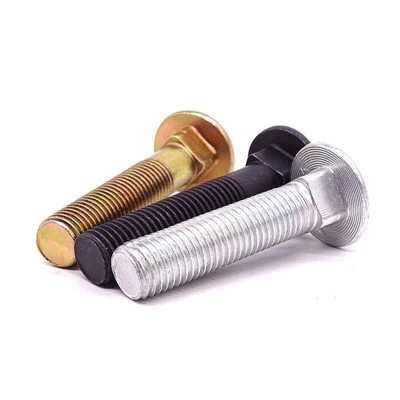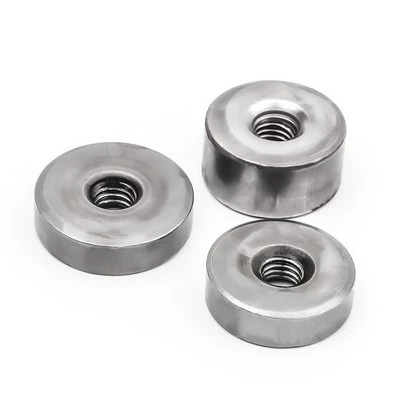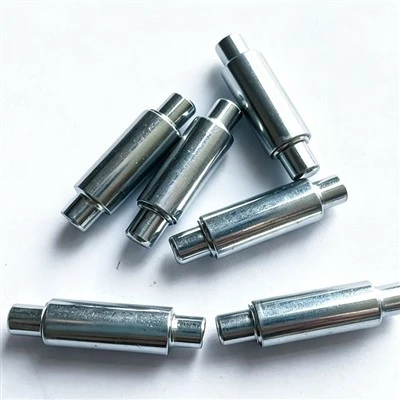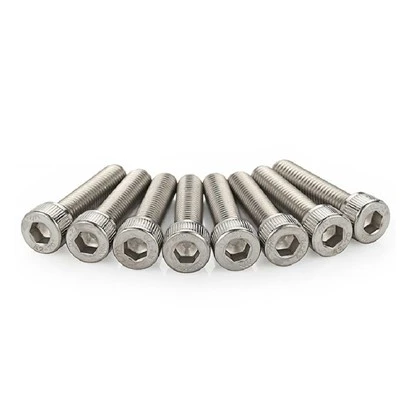
Hey there! I'm a supplier of pin shafts, and today I want to chat about something super important in our industry: how the material grain direction affects the performance of a pin shaft.
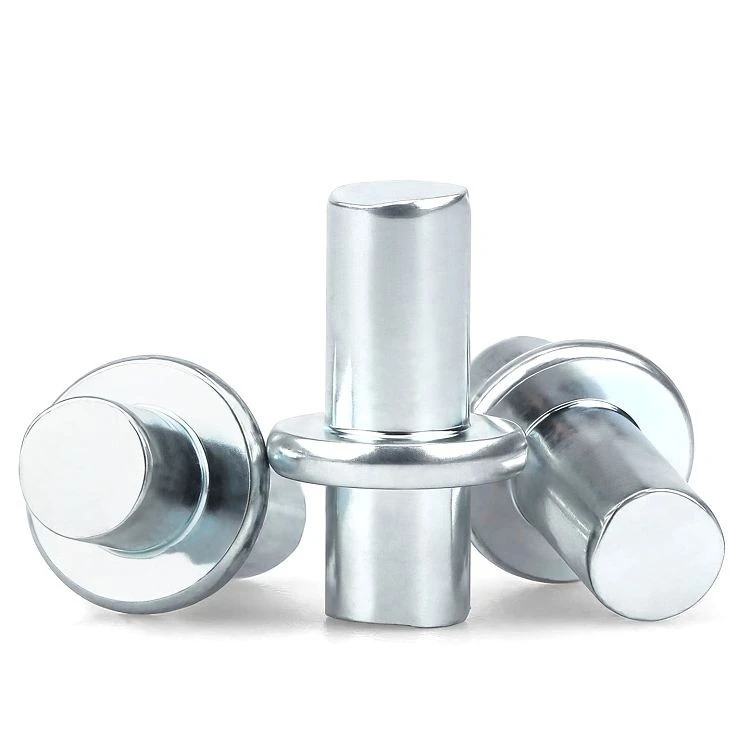

First off, let's talk about what material grain direction actually is. In simple terms, when metal is formed - say, through processes like forging, rolling, or extrusion - the grains of the metal get oriented in a certain direction. It's kind of like the fibers in a piece of wood. You can usually tell the direction of the fibers just by looking closely, and they can affect how the wood behaves, like how easy it is to split. Well, the same goes for the grains in metal used for pin shafts.
So, how does this grain direction impact the pin shaft's performance? Let's start with strength. The strength of a pin shaft isn't just about how thick it is or what kind of metal it's made of. The grain direction plays a huge role. When the load on the pin shaft is applied in the same direction as the grain, the shaft can handle more stress without breaking. It's because the aligned grains work together to resist the force. On the other hand, if the load is applied perpendicular to the grain direction, the shaft is more likely to fail. The grains aren't supporting each other as well in that direction, and cracks can start to form more easily.
Take a Revolving Shafts for example. These shafts are constantly in motion and experience a lot of dynamic forces. If the grain direction isn't optimized, the shaft might wear out faster or even break unexpectedly. That's a big no - no in any industry where reliability is key.
Ductility is another performance factor affected by grain direction. Ductility refers to how much a material can be deformed without breaking. A pin shaft with the right grain direction can be more ductile, which is great in situations where the shaft needs to bend or stretch a little bit without failing. For instance, a Connecting Pin in a mechanical linkage might need to endure some minor bending during operation. If the grain direction is along the expected stress path, the pin can handle that bending better, preventing premature failure.
Now, let's talk about fatigue resistance. Pin shafts often go through repeated loading and unloading cycles. Over time, this can lead to fatigue and eventually cause the shaft to break. The grain direction can have a major impact on how well a pin shaft resists fatigue. When the grains are properly aligned, they can prevent the growth of small cracks that can lead to fatigue failure. A Fixed Cylindrical Pin that is subject to cyclic forces can benefit greatly from an optimized grain direction. It will last longer and require less frequent replacement, which saves time and money for our customers.
Machinability is also influenced by the material grain direction. When we're manufacturing pin shafts, we need to be able to cut, drill, and shape the metal easily. If the grain direction isn't considered, it can make machining more difficult. For example, if the cutting tool has to go against the grain, it can cause more wear on the tool and result in a rougher surface finish on the pin shaft. A Cylindrical Pin with a good grain direction for machining will be smoother and more precise, meeting the high - quality standards that our customers expect.
Another type of pin shaft we supply is the Knurled Spline Rivet. These rivets have a unique design, and the grain direction can affect how well they hold things together. If the grain is aligned in a way that supports the clamping force, the rivet will provide a more secure connection. This is crucial in applications where a loose connection could lead to serious problems.
As a pin shaft supplier, we take the material grain direction very seriously. We work with our manufacturing teams to ensure that the pin shafts we produce have the optimal grain direction for their intended use. We use advanced techniques and inspections to verify the grain orientation in every pin shaft we make.
So, if you're in the market for high - quality pin shafts, you know that the material grain direction can make a big difference in performance. Whether you need a Revolving Shafts, Fixed Cylindrical Pin, Connecting Pin, Cylindrical Pin, or Knurled Spline Rivet, we've got you covered. Our pin shafts are designed and manufactured with attention to detail, including the all - important grain direction.
If you're interested in learning more about our pin shafts or want to talk about a specific project you're working on, don't hesitate to reach out. We're here to help you find the perfect solution for your needs, and we're always ready to start a conversation about how our products can serve you better.
References:
- Smith, J. (2020). Metal Forming and Grain Structure. Journal of Engineering Materials.
- Brown, A. (2019). Understanding Fatigue in Pin Shafts. Materials Science Review.