Hey there! I'm a supplier of step rivets, and today I wanna chat about how step rivets stack up against bolts. It's a topic that comes up a lot in the industry, and I think it's super important to understand the differences between these two fasteners.

Installation Process
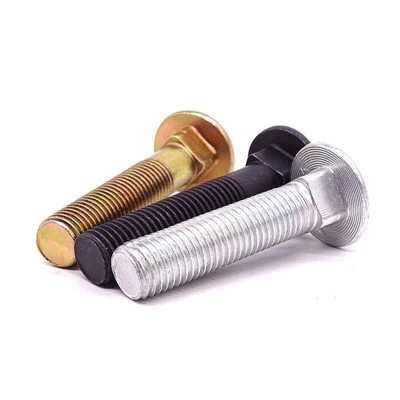
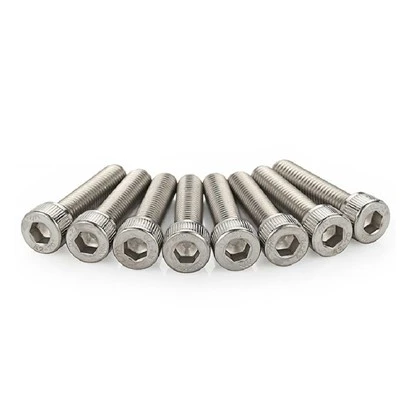
Let's start with the installation process. Bolts are pretty straightforward. You drill a hole, insert the bolt, and then tighten it up with a nut. It's a simple process that most people are familiar with. But here's the thing: it can be time - consuming, especially if you're working on a large project. You've gotta make sure the hole is the right size, and getting the nut tightened just right takes a bit of finesse.
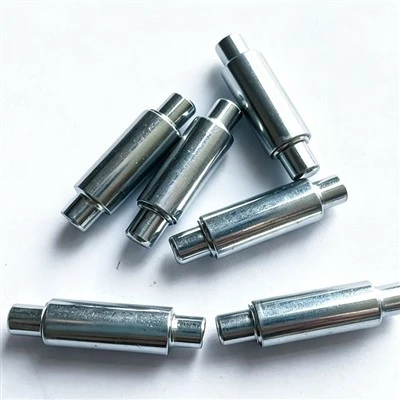
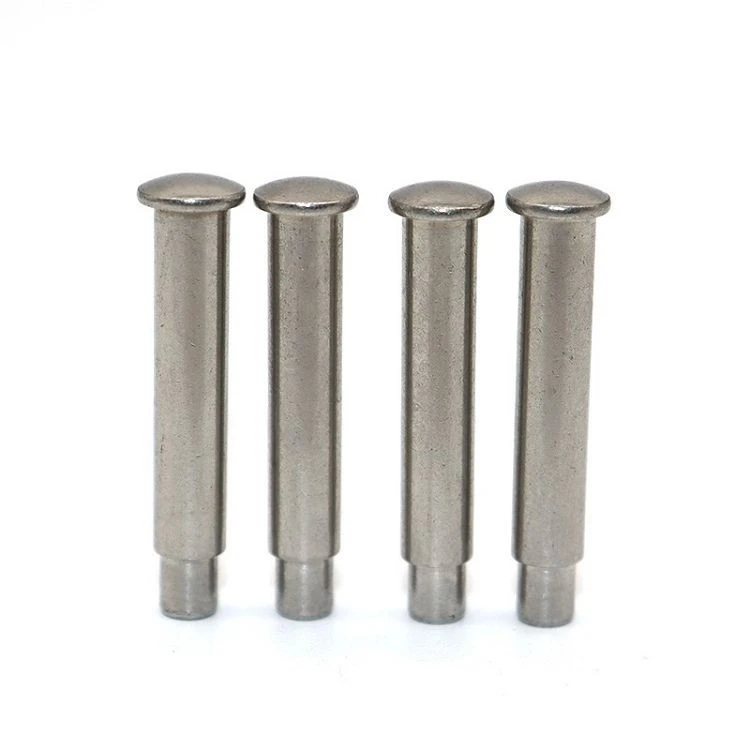
On the other hand, step rivets are a breeze to install. You just insert the rivet into the pre - drilled hole and use a rivet gun to deform the end of the rivet. This creates a permanent connection. It's much faster than using bolts, and you don't have to worry about nuts coming loose over time. For high - volume production lines, step rivets can save a ton of time and money.
Strength and Durability
When it comes to strength and durability, both step rivets and bolts have their merits. Bolts are known for their high tensile strength. They can handle a lot of pulling force without breaking. This makes them a great choice for applications where heavy loads are involved, like in construction or automotive manufacturing.
However, step rivets also offer good strength. They form a solid, permanent bond that can withstand vibration and shock. In some cases, especially in applications where the load is more evenly distributed, step rivets can be just as reliable as bolts. And because they don't have a nut that can come loose, they can be more durable in the long run.
Cost
Cost is always a factor when choosing between fasteners. Bolts can be relatively expensive, especially if you need high - quality ones. You've got to buy the bolts, the nuts, and sometimes washers too. And don't forget about the tools you need to install them.
Step rivets are generally more cost - effective. They're cheaper to manufacture, and because the installation process is simpler, you save on labor costs. For businesses looking to cut down on expenses without sacrificing quality, step rivets are a great option.
Appearance
Appearance might not seem like a big deal, but it can matter in some applications. Bolts can stick out, and the nut and washer can make the joint look a bit clunky. This might not be a problem in industrial settings, but in consumer products or architectural applications, it can be a drawback.
Step rivets, on the other hand, can be designed to have a more flush and clean appearance. For example, Flat Head Step Rivet sits flat against the surface, giving a sleek look. This makes them a popular choice for products where aesthetics are important.
Types of Step Rivets
There are different types of step rivets available, each with its own advantages. Double - headed Rivet is great for applications where you need to fasten two pieces of material from both sides. It provides a strong and stable connection.
Semi - tubular Rivet is another option. It has a partially hollow end, which makes it easier to deform during installation. This type of rivet is often used in applications where you need a moderate amount of strength.
Flat Rivets On Both Sides offer a low - profile solution. They're perfect for applications where you want a smooth and even surface on both sides of the joint.
Hollow End Rivets are lightweight and can be used in applications where weight is a concern. They're also easy to install and can provide a decent amount of strength.
Applications
Bolts are commonly used in heavy - duty applications such as construction, machinery, and automotive. They're ideal for situations where you need to disassemble and reassemble the joint frequently.
Step rivets, on the other hand, are used in a wide range of applications. They're popular in the electronics industry for fastening circuit boards and components. They're also used in the furniture industry, where a clean and aesthetically pleasing finish is important. In the aerospace industry, step rivets are used because of their lightweight and reliable performance.
Conclusion
So, which is better, step rivets or bolts? Well, it really depends on your specific needs. If you need a fastener that can handle heavy loads and can be easily disassembled, bolts might be the way to go. But if you're looking for a cost - effective, easy - to - install, and aesthetically pleasing solution, step rivets are definitely worth considering.
As a step rivet supplier, I can offer you a wide range of high - quality step rivets to suit your needs. Whether you're working on a small DIY project or a large - scale industrial application, I've got the right rivets for you. If you're interested in learning more or want to discuss your specific requirements, feel free to reach out. We can have a chat and figure out the best solution for your project.
References
- Engineering Material Handbooks
- Fasteners Industry Magazines