As an automotive bolts supplier, I've seen firsthand how temperature can significantly impact the performance and longevity of these crucial components. In this blog, I'll explore the various ways temperature affects automotive bolts and why it's essential for automotive manufacturers and enthusiasts to understand these effects.
Thermal Expansion and Contraction
One of the most fundamental impacts of temperature on automotive bolts is thermal expansion and contraction. When the temperature rises, materials expand, and when it falls, they contract. This phenomenon can have a profound effect on the fit and tension of bolts.
For example, in a high - temperature engine environment, bolts can expand. If the expansion is not accounted for during the design and installation process, it can lead to a decrease in pre - load, which is the initial tension applied to the bolt when it is tightened. A reduced pre - load means the bolt may not hold the components together as securely as intended, increasing the risk of loosening and potential failure.
Conversely, in cold temperatures, the bolts contract. This can cause an increase in the pre - load beyond the design specifications. Excessive pre - load can lead to over - stressing of the bolt, potentially causing fatigue cracking over time. It can also damage the mating surfaces, such as the engine block or a metal plate, if the contracted bolt exerts too much force.
Material Properties Changes
Temperature can also alter the material properties of automotive bolts. Most automotive bolts are made from steel or other metal alloys, and different metals have different responses to temperature changes.
At elevated temperatures, the yield strength of steel, a critical property that determines the maximum stress a material can withstand without permanent deformation, decreases. This means that at high temperatures, the bolt may be more likely to deform under load. For instance, in a turbocharged engine where exhaust manifold bolts are exposed to extremely high temperatures, the reduced yield strength can cause the bolts to stretch or even break.
On the other hand, cold temperatures can make metals more brittle. When a bolt becomes brittle, its ability to withstand impact or sudden loads is significantly reduced. In cold climates, a sudden jolt or shock can cause a brittle bolt to fracture, potentially leading to catastrophic failures in the vehicle.
Corrosion and Temperature
Temperature plays a crucial role in the corrosion process of automotive bolts. Corrosion is an electrochemical reaction that occurs when a metal, such as the steel in bolts, reacts with its environment. Higher temperatures generally accelerate this reaction.
In hot and humid conditions, the moisture in the air can combine with the metal surface of the bolt to form an electrolyte layer. This layer facilitates the flow of electrons, leading to the corrosion of the metal. Rust, which is a common form of corrosion in steel bolts, can weaken the bolt's structure over time. It can also cause the bolt to seize in its threaded hole, making it difficult to remove or replace.
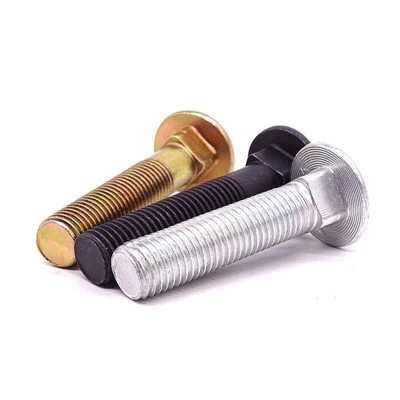
Our Rust Proof Fasteners are designed to withstand these harsh conditions. They are made from special alloys or have coatings that prevent or slow down the corrosion process, ensuring the bolts remain strong and functional even in high - temperature and humid environments.
Impact on Different Types of Automotive Bolts
1. Engine Bolts
Engine bolts are exposed to extreme temperature fluctuations. The combustion process in the engine generates high temperatures, which can cause thermal expansion of the bolts. If the engine overheats, the bolts may experience even more severe expansion and a significant loss of pre - load.


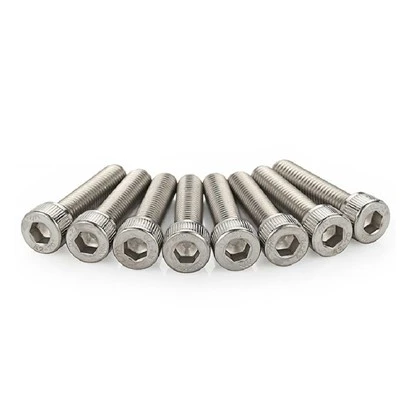
For example, cylinder head bolts are critical for maintaining the compression in the combustion chamber. If these bolts lose their pre - load due to temperature - induced expansion, it can lead to a loss of engine power, coolant leaks, and even engine failure. Our High Strength Automotive Fasteners are engineered to handle these extreme temperature variations, providing the necessary strength and stability to keep the engine running smoothly.
2. Suspension Bolts
Suspension bolts are also affected by temperature, although in a different way. In cold weather, the shock absorbers and other suspension components may become stiffer, and the bolts connecting them need to be able to withstand the increased stress. If the bolts are too brittle due to the cold, they may break when the vehicle encounters a bump or pothole.
During extended use in hot weather, the lubricants around the suspension bolts can break down, leading to increased friction. This friction can cause the bolts to heat up further, potentially affecting their mechanical properties. Our Car Fasteners Fixings are designed to resist these temperature - related issues, ensuring reliable performance of the suspension system.
3. Body Bolts
Body bolts are used to hold various body components together, such as the doors, hood, and trunk. These bolts may not be exposed to the extreme temperatures of the engine or suspension, but they can still be affected by environmental factors.
In hot sunlight, the metal body panels can expand, putting additional stress on the body bolts. If the bolts are not properly designed to handle this expansion, they may loosen or cause the body panels to warp. Our Body Fasteners for Cars are made to accommodate these thermal movements, maintaining a secure fit and preventing damage to the vehicle's body.
Rivets and Temperature
Rivets are another type of fastener commonly used in cars. Like bolts, they are also affected by temperature. In a hot environment, rivets can expand, which may cause them to loosen in their holes. This can lead to rattling or even separation of the components they are holding together.
In cold temperatures, rivets can contract, making them more prone to cracking under stress. Our Rivets On Car are engineered to resist these temperature - related problems, providing a reliable connection between car components.
Importance of Considering Temperature in Bolt Selection
For automotive manufacturers and enthusiasts, understanding the impact of temperature on bolts is crucial for selecting the right fasteners. When designing a vehicle, engineers need to consider the operating temperature range of each component and choose bolts that can withstand those conditions.
Using the wrong type of bolt for a particular application can lead to premature failure, safety issues, and costly repairs. For example, using a standard bolt in a high - temperature engine environment may result in engine damage due to bolt failure.
As a supplier, we work closely with our customers to select the most appropriate automotive bolts for their specific needs. We offer a wide range of bolts, including those designed for high - temperature, low - temperature, and corrosive environments.
Contact Us for Your Automotive Bolt Needs
If you're in the automotive industry and are looking for reliable automotive bolts that can withstand various temperature conditions, we're here to help. Our team of experts can provide you with detailed information about our products and assist you in making the right selection for your applications. Whether you need bolts for engines, suspensions, or bodywork, we have the solutions you're looking for.
References
- "Materials Science and Engineering: An Introduction" by William D. Callister Jr. and David G. Rethwisch.
- "Automotive Engineering Fundamentals" by Matthew Franchek and Thomas Gillespie.
- Industry research reports on automotive fasteners and their performance under different temperature conditions.