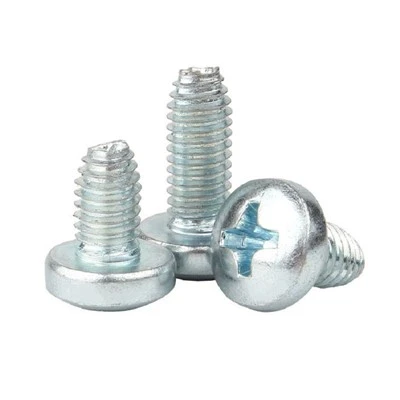
As a seasoned supplier of Rust Proof Fasteners, I've encountered numerous in - depth queries from clients. One of the most prevalent questions is whether rust proof fasteners possess high torque - resistance. This question is not only crucial for industries that rely on these fasteners but also for understanding the overall quality and performance of our products.
Understanding Rust Proof Fasteners
First, let's briefly touch on what rust proof fasteners are. Rust proof fasteners are engineered to resist corrosion, which is a significant concern in many environments. The materials used to manufacture these fasteners, such as stainless steel grades like 304 and 316, or galvanized steel, ensure a long - lasting protection against the damaging effects of oxidation. These fasteners find extensive applications in industries like automotive, construction, and marine, where environmental factors can accelerate the corrosion process.
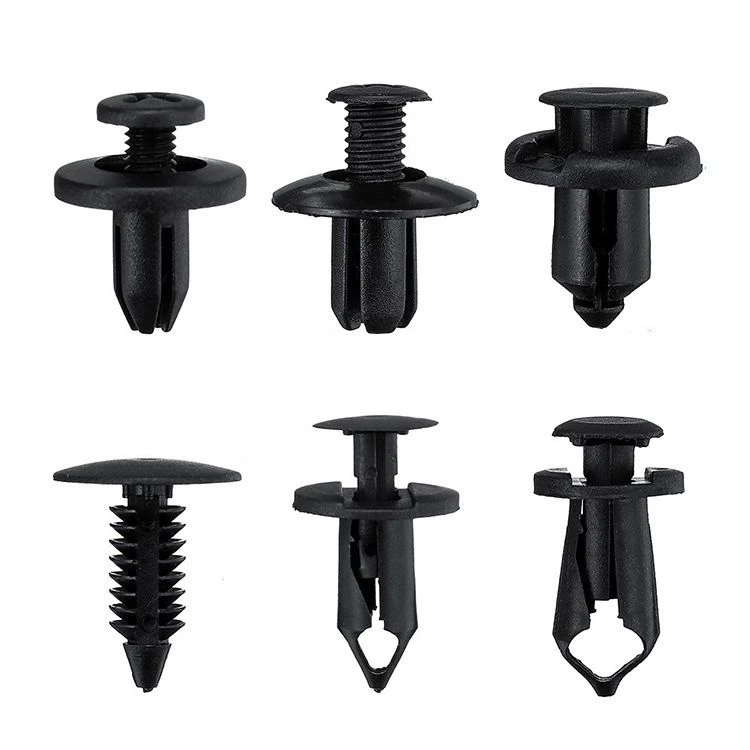
In the automotive industry, for example, rust proof fasteners are used in various components. You can find them in Cold Heading Fasteners for Auto, which are essential for the assembly of engine parts. Body Fasteners for Cars also need to be rust proof to maintain the structural integrity of the vehicle's body over time.
Torque - Resistance Basics
Torque - resistance refers to a fastener's ability to withstand the twisting force (torque) applied during installation and while in service. When a fastener is tightened, a specific amount of torque is required to ensure a proper fit and prevent loosening due to vibrations or other external forces. A high torque - resistant fastener can maintain its clamping force, which is crucial for the stability and safety of the connected components.
The torque - resistance of a fastener is influenced by several factors. Material properties play a vital role. For instance, the hardness and yield strength of the metal from which the fastener is made affect how much torque it can handle. A material with high yield strength can withstand greater torque before it starts to deform plastically.
The thread design is another important factor. A well - designed thread with proper pitch and flank angle can distribute the applied torque evenly along the thread engagement, reducing the stress concentration at specific points and enhancing the overall torque - resistance.
Rust Proof Fasteners and Torque - Resistance
Now, addressing the question of whether rust proof fasteners have high torque - resistance. In general, many rust proof fasteners are engineered to offer high torque - resistance. The materials used in rust proof fasteners often have excellent mechanical properties. Stainless steel, a common material for rust proof fasteners, has a relatively high yield strength and hardness. This allows the fasteners to withstand significant torque during installation without deforming easily.
For example, in the case of High Strength Automotive Fasteners, rust proof variations made from high - grade stainless steel can resist high levels of torque. This is essential because automotive applications require fasteners that can maintain a secure hold under extreme conditions, such as high - speed vibrations, temperature variations, and mechanical stresses.
However, it's important to note that not all rust proof fasteners have the same level of torque - resistance. The manufacturing process also plays a major role. Fasteners that are cold - headed, for example, tend to have better grain flow and mechanical properties compared to those produced by other methods. Cold - heading can enhance the strength of the fastener, which in turn increases its torque - resistance.

Testing and Quality Assurance
At our company, we take torque - resistance testing seriously. We use advanced testing equipment to subject our rust proof fasteners to various torque levels. This helps us ensure that our products meet or exceed industry standards. For every batch of fasteners, we conduct a series of tests to measure their torque - resistance, yield strength, and ultimate tensile strength.
We also perform tests to simulate real - world conditions. For automotive fasteners, we may simulate the vibrations and temperature changes that a vehicle experiences during normal operation. By doing so, we can guarantee that our Car Fasteners Fixings and Car Panel Screws will maintain their integrity and torque - resistance over time.
Applications and Benefits of High Torque - Resistant Rust Proof Fasteners
The high torque - resistance of rust proof fasteners provides several benefits in different applications. In construction, these fasteners are used to assemble structural components. A high torque - resistant rust proof fastener ensures that the building's structure remains firmly in place, even during harsh weather conditions or seismic activities.
In the marine industry, where corrosion is a significant problem due to the saltwater environment, high torque - resistant rust proof fasteners are used to secure boat components. They can withstand the constant vibrations and mechanical stresses from the movement of the vessel, ensuring the safety and reliability of the boat.
In the automotive industry, high torque - resistant rust proof fasteners are essential for the overall safety and performance of the vehicle. They keep the engine components, body parts, and suspension systems securely fastened, reducing the risk of mechanical failures and accidents.
Contact for Procurement
If you are in the market for high - quality rust proof fasteners with excellent torque - resistance, we would be more than happy to serve you. Whether you need fasteners for automotive, construction, or marine applications, we have a wide range of products to meet your specific requirements. Please feel free to reach out for a detailed discussion on your procurement needs.
References
- "Machinery's Handbook", Industrial Press Inc., which provides comprehensive information on fastener design and mechanical properties.
- "Fasteners and Their Design, Manufacture, and Application", Alan H. Clayton, which offers in - depth knowledge on the manufacturing processes and performance of fasteners.