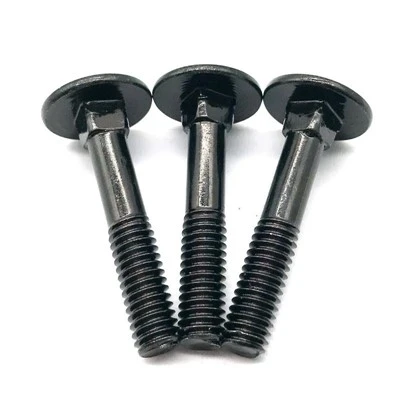
Determining whether an automotive bolt is over-tightened is crucial for vehicle safety and performance. As a supplier of click hereAutomotive Bolts, I've seen firsthand the impact of both proper and improper bolt tightening. In this blog post, I'll share insights on how to identify if an automotive bolt is over-tightened, the consequences of over-tightening, and offer some practical advice.
Understanding the Importance of Proper Bolt Tightening
Before delving into the signs of over-tightening, it's essential to understand why proper bolt tightening is so important. Bolts in an automotive setting are used to hold various components together, from engine parts to body panels. When tightened correctly, bolts create a secure connection that can withstand the vibrations, stresses, and forces experienced during normal vehicle operation.
However, when a bolt is over-tightened, it can lead to a host of problems. For instance, excessive torque can cause the bolt to stretch beyond its elastic limit, which may result in permanent deformation. This deformation weakens the bolt, making it more prone to failure under stress. Additionally, over-tightening can damage the threads on the bolt or in the mating component, leading to difficulties in disassembly and reassembly, and potentially causing leaks if the bolt is used in a sealing application.
Signs that an Automotive Bolt is Over-Tightened
1. Physical Damage to the Bolt
One of the most obvious signs of an over-tightened bolt is physical damage. Look for signs of stretching, such as the bolt appearing longer than usual or having a thinner shaft in the middle. The head of the bolt may also be distorted, with flattened sides or a rounded-off hexagonal shape, which is a clear indication that excessive force was applied during tightening.
2. Damage to the Surrounding Components
Over-tightening can cause damage to the components that the bolt is securing. For example, if a bolt is used to attach a body panel, excessive tightening can crack or deform the panel. In an engine, over-tightened bolts can warp the cylinder head or block, leading to poor engine performance and potential coolant or oil leaks. Check for any visible signs of damage, such as cracks, dents, or misalignment around the bolted area.
3. Difficulty in Loosening the Bolt
If you have trouble loosening a bolt, it could be a sign that it was over-tightened. When a bolt is tightened beyond the recommended torque, the threads can bind together, making it extremely difficult to turn the bolt counterclockwise. This can be especially problematic if you need to perform maintenance or repairs on the vehicle.
4. Unusual Sounds or Vibrations
An over-tightened bolt can disrupt the normal balance and operation of a component, leading to unusual sounds or vibrations. For example, if a wheel bolt is over-tightened, it can cause uneven wear on the tire and create a vibrating sensation while driving. Similarly, over-tightened engine bolts can cause rattling or knocking noises as the engine runs.


5. Seal Failure
If a bolt is used in a sealing application, such as on an oil pan or a radiator, over-tightening can cause the seal to fail. The excessive pressure can distort the seal, preventing it from creating a proper barrier against leaks. Check for signs of fluid leakage around the bolted area, such as oil stains or coolant drips.
Consequences of Over-Tightening Automotive Bolts
The consequences of over-tightening automotive bolts can be severe, both in terms of safety and vehicle performance. Here are some of the potential issues:
1. Bolt Failure
As mentioned earlier, over-tightening can cause a bolt to stretch beyond its elastic limit, leading to permanent deformation and eventual failure. A failed bolt can result in the separation of critical components, such as engine parts or suspension components, which can cause the vehicle to break down or, in some cases, lead to a serious accident.
2. Component Damage
Over-tightening can also damage the components that the bolt is securing. This can include cracking, warping, or distortion of the parts, which may require expensive repairs or replacements. In some cases, the damage may be so severe that the entire component needs to be replaced, resulting in significant downtime and cost.
3. Poor Performance
Over-tightened bolts can affect the performance of the vehicle in various ways. For example, over-tightened suspension bolts can cause uneven tire wear, which can lead to reduced traction and handling. In an engine, over-tightened bolts can cause improper compression, leading to reduced power, increased fuel consumption, and potentially even engine misfires.
How to Avoid Over-Tightening Bolts
1. Use a Torque Wrench
The most effective way to avoid over-tightening bolts is to use a torque wrench. A torque wrench allows you to apply a specific amount of torque to the bolt, ensuring that it is tightened to the manufacturer's specifications. Make sure to use the correct torque value for the specific bolt and application, as this information can usually be found in the vehicle's service manual.
2. Follow the Manufacturer's Instructions
Always follow the manufacturer's instructions when tightening bolts. This includes the recommended torque values, the order in which to tighten the bolts (if applicable), and any special procedures or precautions. Adhering to these instructions will help ensure that the bolts are tightened correctly and that the vehicle operates safely and efficiently.
3. Inspect Bolts Regularly
Regularly inspect the bolts on your vehicle for signs of damage or wear. This can help you identify any potential issues early on and take corrective action before they become more serious. Check for any signs of stretching, corrosion, or loose bolts, and tighten or replace them as necessary.
Our Product Offerings
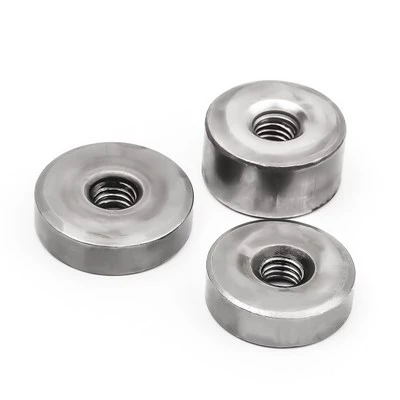
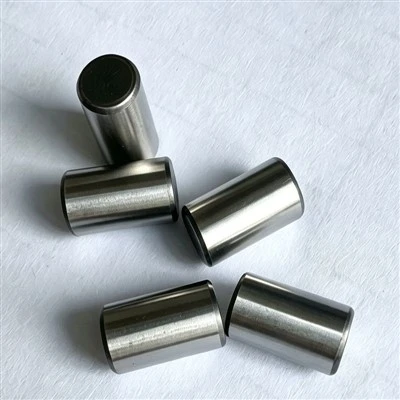
As a leading supplier of automotive fasteners, we offer a wide range of high-quality products to meet the needs of our customers. Our click hereBody Fasteners for Cars are designed to provide a secure and reliable connection for body panels, ensuring a tight fit and a smooth appearance. Our click hereCold Heading Fasteners for Auto are manufactured using advanced cold heading technology, resulting in strong and durable fasteners that can withstand the rigors of automotive applications.
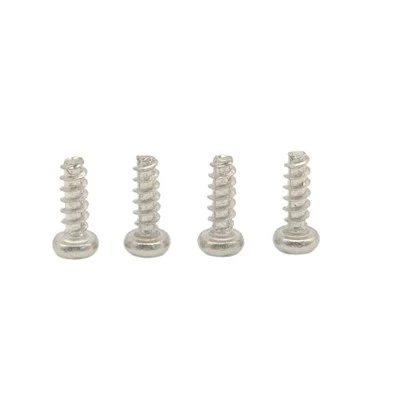
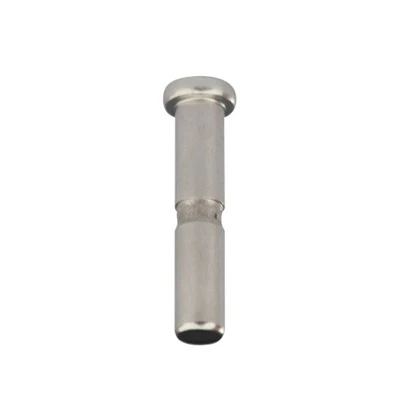
In addition, we also offer click hereCar Panel Screws and click hereRivets On Car, which are essential for the assembly and repair of automotive components. Our products are made from high-quality materials and are rigorously tested to ensure they meet or exceed industry standards.
Conclusion
Identifying if an automotive bolt is over-tightened is essential for maintaining the safety and performance of your vehicle. By being aware of the signs of over-tightening, such as physical damage, difficulty in loosening, and unusual sounds or vibrations, you can take proactive steps to address the issue. Using a torque wrench and following the manufacturer's instructions are key to avoiding over-tightening and ensuring that your vehicle's bolts are tightened correctly.
If you're in the market for high-quality automotive fasteners, we invite you to explore our product offerings. Our team of experts is ready to assist you in finding the right fasteners for your specific needs. Whether you're a professional mechanic or a DIY enthusiast, we have the products and knowledge to help you get the job done right. Contact us today to discuss your requirements and start a partnership that will keep your vehicles running smoothly.
References
- "Automotive Engineering Handbook," Society of Automotive Engineers
- "Vehicle Maintenance and Repair Manuals," Various vehicle manufacturers