As a leading supplier of Cylindrical Pins, I've witnessed firsthand the critical role these seemingly simple components play in a wide range of mechanical applications. Cylindrical pins are used to locate, align, or transmit power between parts in various machinery, from automotive engines to industrial equipment. However, like all mechanical parts, they are subject to wear and tear over time. Recognizing the signs of a worn-out cylindrical pin is essential for maintaining the efficiency, safety, and reliability of your machinery. In this blog, I'll discuss the common indicators that a cylindrical pin may be reaching the end of its service life.
1. Physical Wear and Tear
One of the most obvious signs of a worn-out cylindrical pin is physical damage. This can include visible signs of abrasion, corrosion, or deformation. Abrasion occurs when the pin rubs against other components, causing the surface material to wear away. Over time, this can lead to a reduction in the pin's diameter, which can affect its fit and performance. Corrosion, on the other hand, is caused by exposure to moisture, chemicals, or other corrosive substances. It can cause the pin to rust or develop pits, which can weaken the material and lead to failure.
Deformation is another common form of physical damage. It can occur due to excessive stress, such as overloading or impact. When a cylindrical pin is deformed, its shape changes, which can affect its ability to hold parts together or transmit power. For example, a bent pin may not fit properly in its hole, causing misalignment or looseness. In some cases, deformation can also cause the pin to break, which can lead to serious damage to the machinery.
2. Increased Clearance
Another sign of a worn-out cylindrical pin is increased clearance between the pin and its mating parts. When a pin wears down, its diameter decreases, which creates a larger gap between the pin and the hole it fits into. This increased clearance can cause a variety of problems, including vibration, noise, and reduced accuracy.
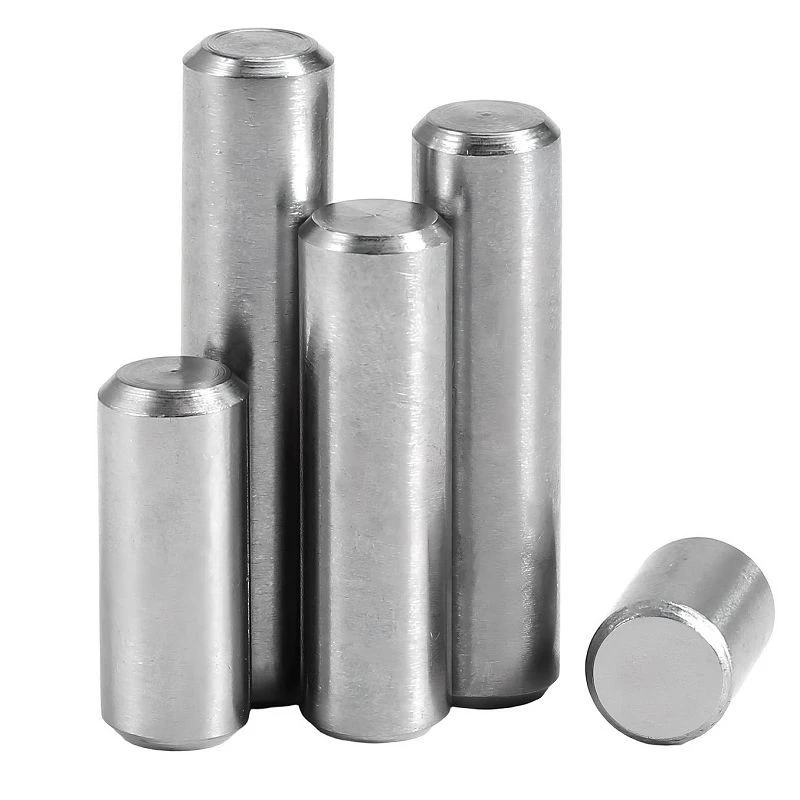

Vibration is a common symptom of increased clearance. As the pin moves within the hole, it can cause the surrounding parts to vibrate, which can lead to premature wear and damage. Noise is another issue that can arise from increased clearance. The rattling or clicking sound produced by the loose pin can be a sign of a problem that needs to be addressed. Reduced accuracy is also a concern, especially in applications where precise alignment is required. The larger gap between the pin and the hole can cause the parts to move out of alignment, which can affect the performance of the machinery.
3. Fatigue Failure
Fatigue failure is a common cause of cylindrical pin failure. It occurs when a pin is subjected to repeated stress or cyclic loading over time. The constant bending and stretching of the pin can cause microscopic cracks to form on the surface, which can gradually grow and eventually lead to complete failure.
The signs of fatigue failure can be subtle at first. You may notice small cracks or fractures on the surface of the pin, or the pin may start to show signs of wear in specific areas. As the cracks grow, the pin may become more brittle and prone to breaking. Fatigue failure can be especially dangerous in high-stress applications, as it can occur suddenly and without warning.
4. Deterioration of Material Properties
Over time, the material properties of a cylindrical pin can deteriorate due to factors such as exposure to high temperatures, chemicals, or mechanical stress. This can cause the pin to become weaker, more brittle, or less resistant to corrosion.
For example, if a pin is exposed to high temperatures for an extended period of time, it may undergo a process called thermal degradation. This can cause the material to lose its strength and hardness, making it more susceptible to wear and failure. Similarly, exposure to chemicals can cause the pin to corrode or degrade, which can also affect its performance.
Mechanical stress can also have a negative impact on the material properties of a pin. When a pin is subjected to excessive stress, it can cause the material to deform or crack, which can weaken the pin and reduce its lifespan.
5. Loss of Function
Ultimately, the most obvious sign of a worn-out cylindrical pin is a loss of function. If the pin is no longer able to perform its intended task, such as holding parts together or transmitting power, it is likely that it has reached the end of its service life.
This can manifest in a variety of ways, depending on the application. For example, in a hinge joint, a worn-out pin may cause the hinge to become loose or unstable, making it difficult to open or close. In a power transmission system, a worn-out pin may cause the system to lose power or efficiency, resulting in reduced performance.
As a supplier of Cylindrical Pin, I understand the importance of providing high-quality pins that meet the needs of our customers. We offer a wide range of cylindrical pins, including Knurled Spline Rivet, Connecting Pin, Revolving Shafts, and Fixed Cylindrical Pin, all of which are made from high-quality materials and designed to provide long-lasting performance.
If you suspect that your cylindrical pins may be worn out, it is important to address the issue as soon as possible. Replacing worn-out pins in a timely manner can help prevent further damage to your machinery and ensure its continued operation. Contact us today to discuss your pin requirements and learn more about how our products can help you meet your needs.
References
- Mechanical Engineering Design, Joseph E. Shigley and Charles R. Mischke
- Machinery's Handbook, Industrial Press Inc.
- ASME Standards on Mechanical Components