How to adjust the tightness of non standard screws?
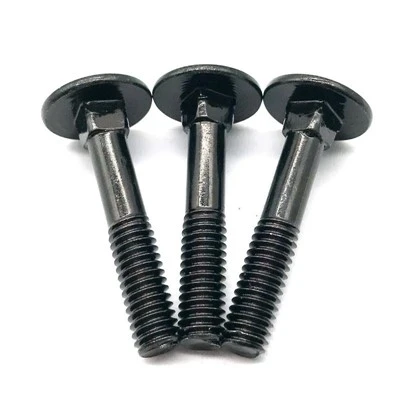
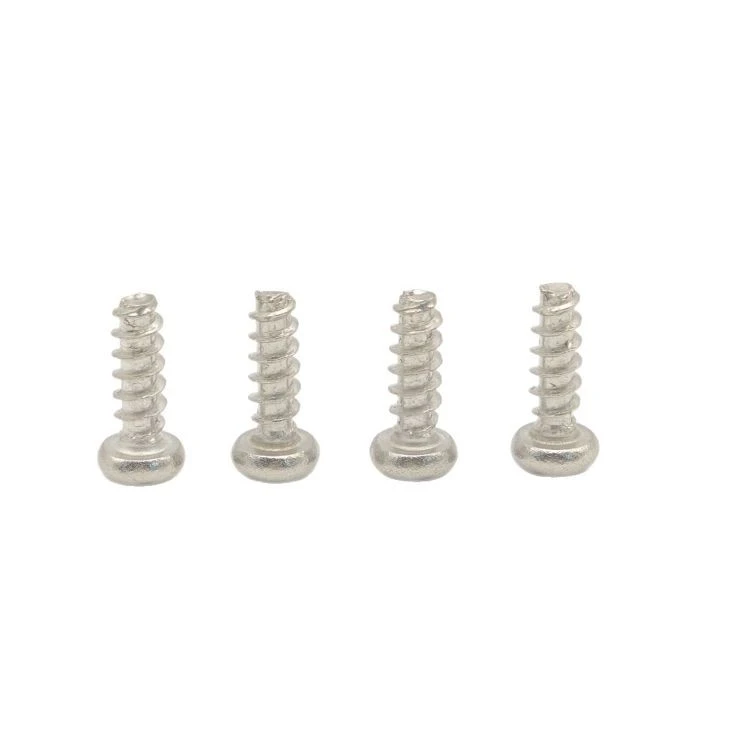
As a supplier of Non Standard Screw, I often encounter customers who are not sure how to adjust the tightness of non-standard screws properly. Non-standard screws, with their unique specifications and applications, require special attention when it comes to tightening. In this blog, I will share some practical tips and techniques to help you adjust the tightness of non-standard screws effectively.
Understanding Non - Standard Screws
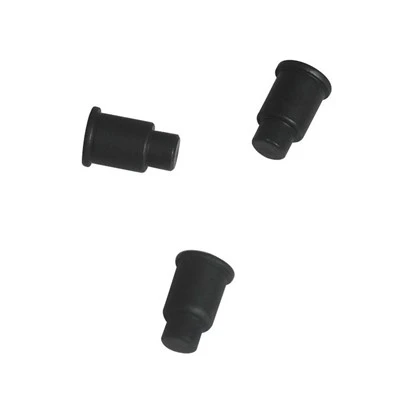
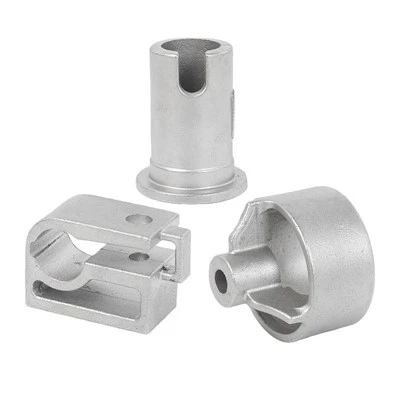
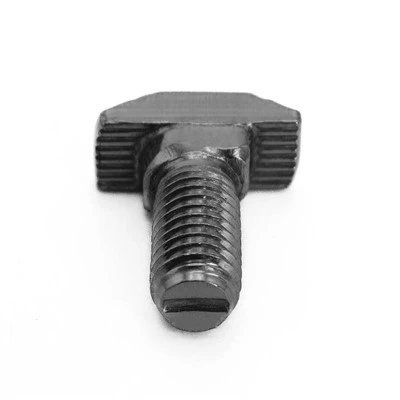
Non-standard screws, as the name suggests, do not conform to the standard sizes and specifications commonly found in the market. They are often custom - made to meet specific engineering requirements in various industries such as automotive, aerospace, and machinery manufacturing. These screws can vary widely in terms of thread pitch, diameter, head shape, and material.
Compared to standard screws, non-standard screws may have unique tightening requirements. For example, a non-standard screw made of a special alloy might require a different torque level to achieve the right tightness without causing damage.
Tools Required for Adjusting Tightness
- Torque Wrenches: A torque wrench is an essential tool for adjusting the tightness of non-standard screws. It allows you to apply a specific amount of torque, ensuring that the screw is tightened to the correct level. There are different types of torque wrenches available, such as click - type, beam - type, and digital torque wrenches. When choosing a torque wrench, make sure it is suitable for the size and torque range required by your non-standard screws.
- Screwdrivers: Depending on the head type of the non-standard screw, you may need different types of screwdrivers, such as flat - head, Phillips - head, or Torx - head screwdrivers. Ensure that the screwdriver tip fits the screw head precisely to avoid slipping and damaging the screw or the surrounding surface.
- Thread Locks: Thread locks can be used to secure the non-standard screws and prevent them from loosening over time due to vibration or other external factors. There are two main types of thread locks: anaerobic and acrylic. Anaerobic thread locks work in the absence of air and are commonly used for permanent locking, while acrylic thread locks can be easily removed if necessary.
Steps to Adjust the Tightness
- Inspect the Screw and the Threaded Hole: Before tightening the non-standard screw, carefully inspect it for any signs of damage, such as cracks or burrs on the threads. Also, check the threaded hole to ensure that it is clean and free of debris. If there are any issues, address them before proceeding with the tightening process.
- Apply Thread Lock (Optional): If you decide to use a thread lock, apply a small amount to the screw threads according to the manufacturer's instructions. Make sure not to over - apply the thread lock, as this can cause excessive friction during tightening and may affect the final tightness.
- Insert the Screw: Gently insert the non-standard screw into the threaded hole by hand. This helps to ensure that the screw starts threading correctly and reduces the risk of cross - threading. Cross - threading occurs when the screw threads do not align properly with the threads in the hole, which can lead to a weak connection or even damage to the screw and the hole.
- Initial Tightening: Use a screwdriver to tighten the screw until it is snug. This initial tightening helps to seat the screw properly and align the threads.
- Final Tightening with a Torque Wrench: Once the screw is snug, use a torque wrench to apply the specified torque. Refer to the engineering drawings or specifications provided for the non-standard screw to determine the correct torque value. Slowly turn the torque wrench until you hear a click (for click - type torque wrenches) or reach the desired torque reading (for digital torque wrenches).
Common Problems and Solutions
- Over - Tightening: Over - tightening a non - standard screw can lead to several problems, such as stripped threads, cracked components, or even failure of the screw. If you suspect that a screw has been over - tightened, carefully remove it using appropriate tools and inspect the threads. If the threads are damaged, you may need to replace the screw or repair the threaded hole.
- Under - Tightening: Under - tightening a screw can cause it to loosen over time, leading to a loss of connection integrity. If you find that a screw is loose, use a torque wrench to tighten it to the correct torque value.
- Cross - Threading: As mentioned earlier, cross - threading is a common problem when tightening non - standard screws. To avoid cross - threading, always start the screw by hand and ensure that the threads are properly aligned before using a tool to tighten it.
Importance of Proper Tightness
Properly adjusting the tightness of non - standard screws is crucial for the safety and performance of the assembled components. In industries such as automotive and aerospace, a loose or over - tightened screw can lead to catastrophic failures. For example, in an aircraft engine, a loose screw could cause parts to come loose during flight, posing a serious threat to the safety of the passengers and crew.
On the other hand, in machinery manufacturing, a properly tightened non - standard screw ensures that the machine operates smoothly and efficiently. It helps to maintain the alignment of components and reduces the wear and tear on the parts.
Our Product Range
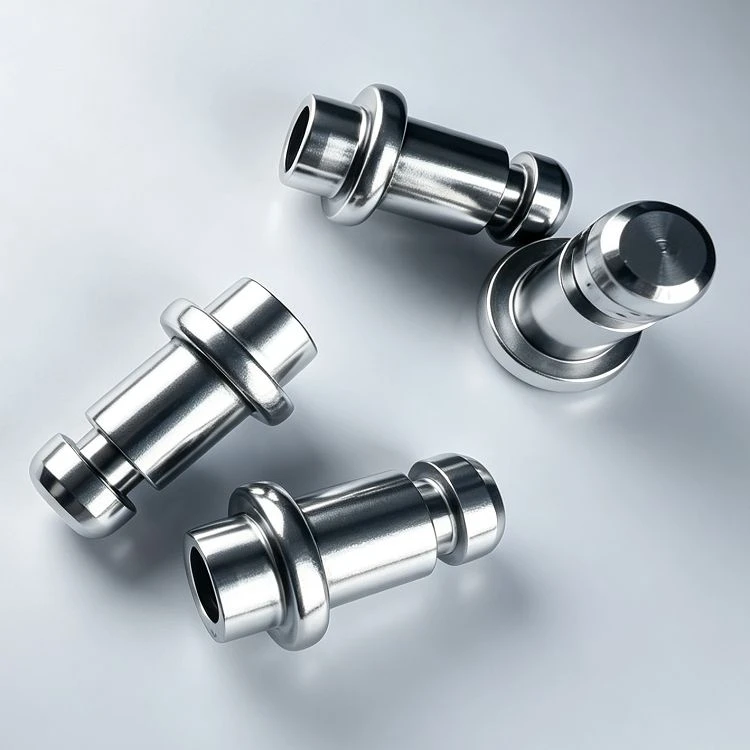
Apart from Non Standard Screw, we also offer a wide range of other products such as Cold Heading Parts, Non Standard Bolts, Non Standard Fasteners, and Cold Heading Fasteners. All our products are made with high - quality materials and strict quality control measures to ensure their performance and reliability.
Contact Us for Procurement
If you are in need of non - standard screws or other related products, we welcome you to contact us for procurement discussions. Our team of experts can provide you with detailed product information, technical support, and competitive pricing. We are committed to meeting your specific requirements and providing you with the best products and services in the industry.
References
- "Fastener Technology Handbook" by Machinery's Handbook Editorial Staff
- "Mechanical Design Engineering Handbook" by Mykhaylo Yashchuk