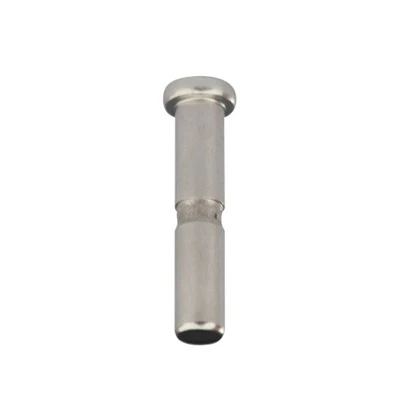
As a dedicated supplier of cylindrical pins, I understand the significance of cost - saving strategies in the manufacturing and engineering sectors. Cylindrical pins are ubiquitous components, used in numerous applications ranging from machinery to electronics. In this article, I will share several effective cost - saving strategies for using cylindrical pins, which can benefit both our business partners and end - users.
1. Optimal Design and Specification Selection
The first step in cost - saving is to ensure the right design and specification of cylindrical pins. Each application has unique requirements, and using an over - specified pin can lead to unnecessary costs. When working on a project, engineers should carefully assess the load, torque, and environmental conditions.
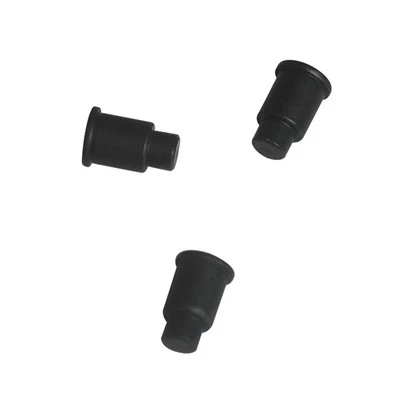
For instance, in applications with low - stress requirements, a standard Cylindrical Pin may be sufficient. These pins are mass - produced and are generally more cost - effective. On the other hand, high - stress applications may require a Fixed Cylindrical Pin, which offers better stability and strength. By selecting the right type of pin from the start, companies can avoid the costs associated with replacing under - performing pins later.
Another aspect of design selection is the size of the pin. A larger pin usually means more material, which translates to higher costs. Engineers should calculate the minimum size and diameter required to meet the performance criteria. This may involve conducting stress analysis and simulations to accurately determine the ideal pin dimensions.
2. Bulk Purchasing and Long - Term Contracts
One of the most straightforward cost - saving strategies is bulk purchasing. When customers buy cylindrical pins in large quantities, they can often negotiate better prices with suppliers. As a supplier, I am always willing to offer discounts for bulk orders. This is because bulk purchasing allows for more efficient production scheduling and lowers the per - unit cost of manufacturing.
Long - term contracts are also beneficial for both parties. For customers, a long - term contract provides price stability, protecting them from market fluctuations. Suppliers, on the other hand, gain the security of a steady order stream, which enables better resource planning and cost control. By entering into a long - term contract, customers can expect up to a 15% discount on the overall cost of cylindrical pins.
3. Material Selection
The choice of material for cylindrical pins plays a crucial role in cost - saving. Different materials have different costs, properties, and suitability for various applications. For general applications, carbon steel is a popular choice due to its relatively low cost and good mechanical properties. Carbon steel pins can be further heat - treated to enhance their hardness and strength.
Stainless steel is another option, which offers excellent corrosion resistance. However, it is more expensive than carbon steel. In applications where corrosion is not a significant concern, using carbon steel instead of stainless steel can result in substantial cost savings.
In some cases, even more specialized materials like brass or titanium may be considered. Brass has good electrical conductivity and is suitable for electrical applications, while titanium is lightweight and has high strength - to - weight ratio. But these materials are generally more costly, so they should be used only when their unique properties are absolutely necessary.
4. Standardization
Standardizing the use of cylindrical pins within an organization can lead to significant cost savings. When a company has a wide variety of pin types and sizes, it increases inventory management complexity and cost. By standardizing on a limited number of pin types and sizes, companies can reduce inventory costs, streamline procurement processes, and simplify manufacturing operations.
For example, if a company previously used multiple non - standard pin sizes in different products, by switching to a few standard sizes that can serve similar functions, they can take advantage of economies of scale. This not only reduces the cost of purchasing the pins but also decreases the cost associated with inventory storage and handling.
5. Value - Added Services
Many suppliers, including myself, offer value - added services that can help customers save costs. For instance, we can provide pin finishing services, such as polishing or coating, which can enhance the pin's performance and longevity. A properly coated pin may have better corrosion resistance, which can reduce the need for frequent replacement.
We also offer assembly services for pins used in more complex products. By outsourcing the assembly process to the supplier, customers can save on labor costs and equipment investment. Additionally, our in - house engineering team can provide technical support and design advice. This ensures that the pins are used optimally in the application, reducing the risk of costly design mistakes.
6. Alternative Components
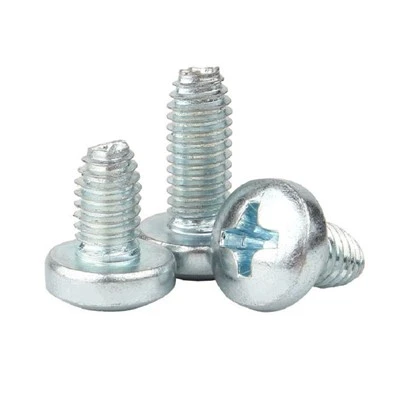
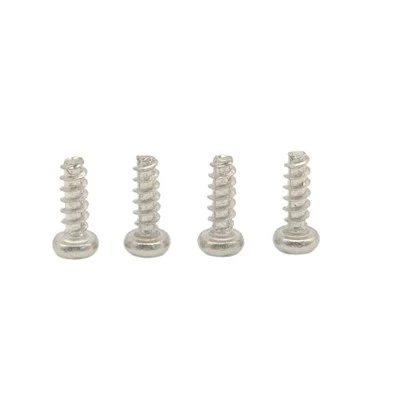
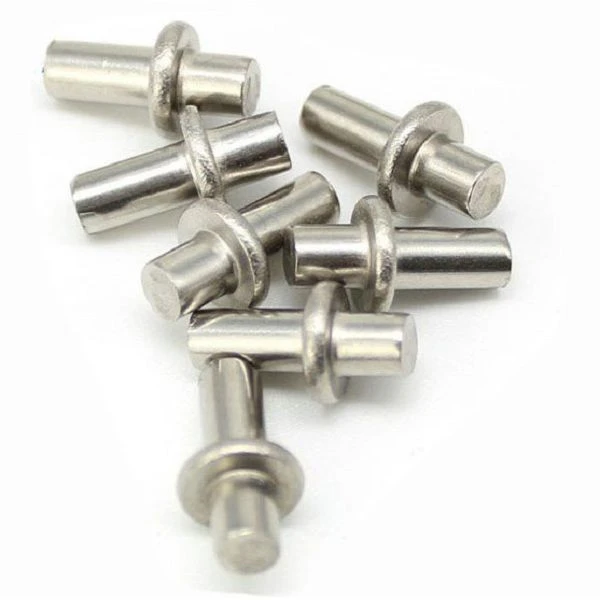
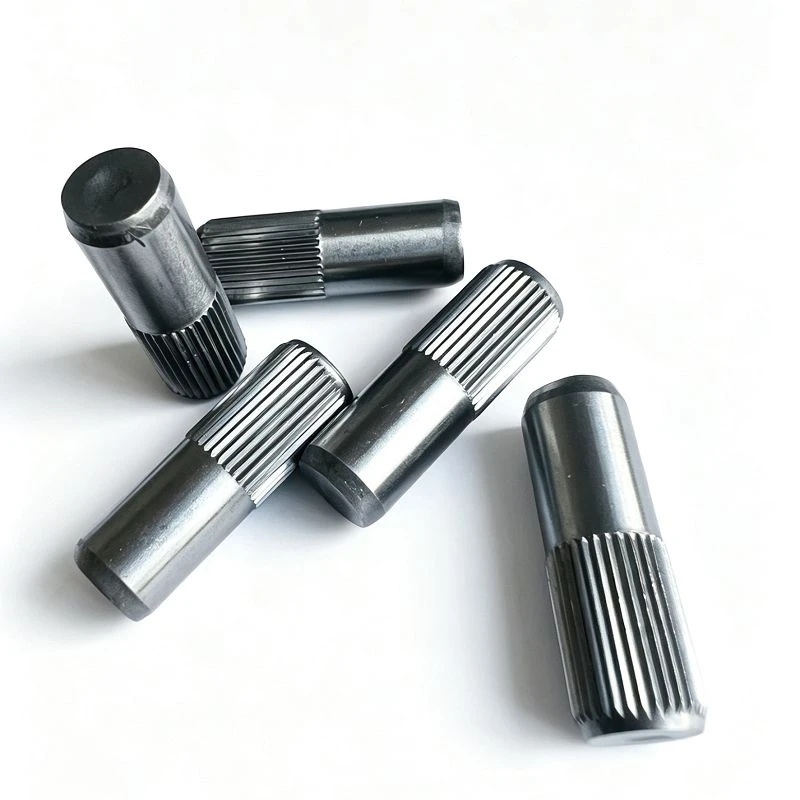
In some cases, it may be worth considering alternative components to cylindrical pins. For example, Connecting Pin or Knurled Spline Rivet may serve a similar function in certain applications. These alternative components may offer cost advantages, such as lower material costs or easier installation.
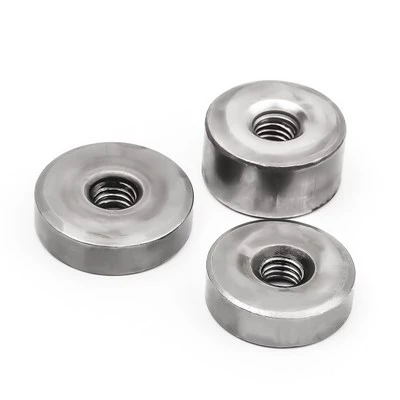
Another alternative is the use of Revolving Shafts in applications where the function of the pin is mainly to provide rotational support. By carefully evaluating the application requirements, engineers can determine if an alternative component can be used without sacrificing performance.
7. Waste Reduction and Recycling
During the manufacturing and use of cylindrical pins, waste reduction and recycling can be effective cost - saving strategies. In the manufacturing process, suppliers can optimize production processes to minimize material waste. For example, by using advanced cutting techniques, the amount of scrap material can be reduced.
On the customer side, recycling used pins can also lead to cost savings. Some pins can be re - used or re - processed, especially if they are in good condition. By implementing a recycling program, companies can reduce their raw material costs and contribute to environmental sustainability.
In conclusion, there are multiple cost - saving strategies available for using cylindrical pins. From optimal design and specification selection to waste reduction and recycling, each strategy can contribute to significant cost savings. As a supplier, I am committed to working with our customers to implement these strategies and help them achieve their cost - saving goals.
If you are interested in learning more about our cylindrical pins and how we can help you save costs, we welcome you to contact us for procurement discussions. Together, we can find the best solutions for your specific needs.
References
- "Mechanical Design Handbook" by Robert C. Juvinall and Kurt M. Marshek
- "Materials Science and Engineering: An Introduction" by William D. Callister Jr. and David G. Rethwisch