As a trusted supplier of Car Panel Screws, I often encounter questions from automotive enthusiasts, repair shops, and manufacturers about the correct installation depth for these crucial components. The installation depth of car panel screws is not just a matter of aesthetics; it significantly impacts the structural integrity, safety, and longevity of the vehicle. In this blog, I will delve into the factors that determine the correct installation depth and provide some practical guidelines.
Why Installation Depth Matters
The installation depth of car panel screws plays a vital role in ensuring that car panels are securely attached to the vehicle's frame. If the screws are installed too shallow, they may not provide enough holding power, leading to panels coming loose over time. This can result in rattling noises, misaligned panels, and even pose a safety risk if a panel detaches while the vehicle is in motion.

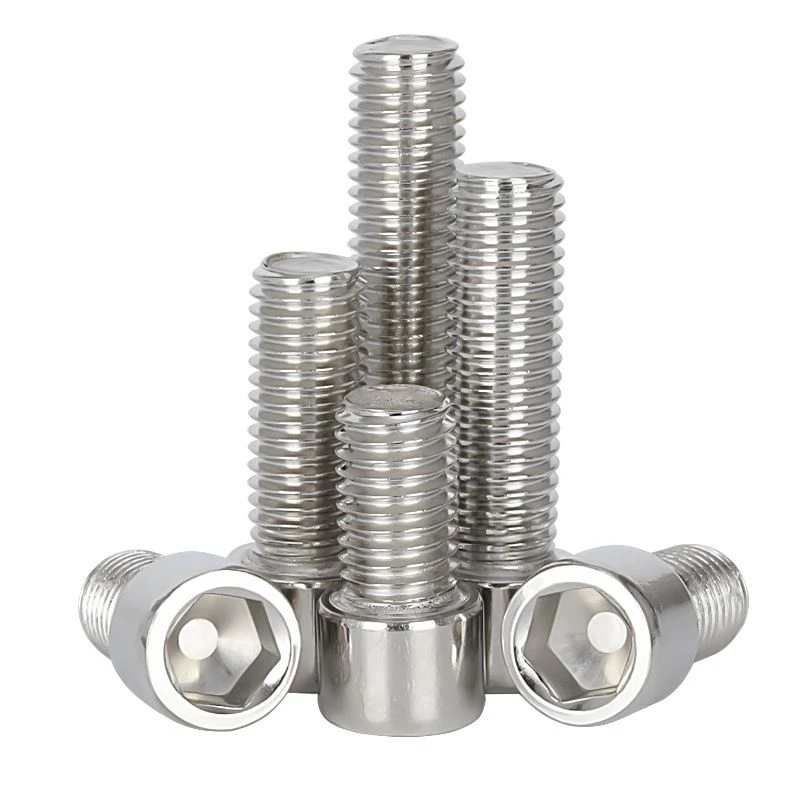
On the other hand, if the screws are installed too deep, they can damage the underlying structures, such as wiring harnesses, body frames, or other components. This can lead to electrical problems, structural weaknesses, and costly repairs. Therefore, getting the installation depth right is essential for maintaining the quality and performance of the vehicle.
Factors Affecting Installation Depth
Several factors influence the correct installation depth for car panel screws. Understanding these factors can help you make informed decisions when installing or replacing these screws.
Panel Thickness
The thickness of the car panel is one of the primary factors determining the installation depth. Thicker panels require longer screws and a deeper installation depth to ensure a secure fit. For example, a thick steel panel may require a longer screw to penetrate through the panel and engage with the underlying structure effectively. Conversely, a thin plastic panel may only need a shorter screw with a shallower installation depth.
Material of the Panel and Underlying Structure
The materials of the car panel and the underlying structure also play a crucial role in determining the installation depth. Different materials have different strengths and densities, which affect how well the screws can grip and hold. For instance, screws installed in a soft plastic panel may need to be installed deeper to achieve a secure hold compared to screws in a harder metal panel. Similarly, the type of material of the underlying structure, such as steel, aluminum, or composite, will also impact the installation depth.
Type of Screw
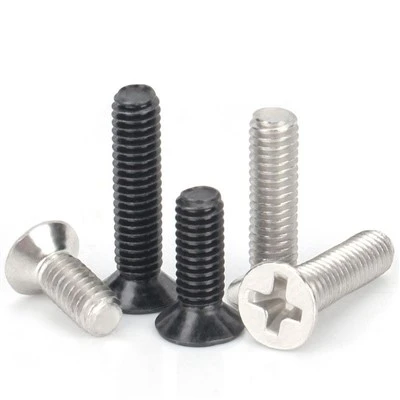
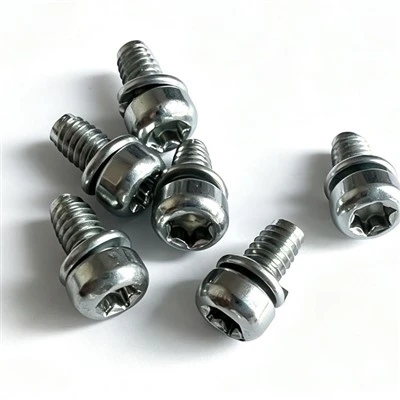
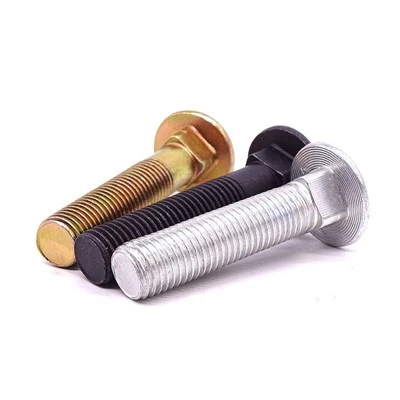
There are various types of car panel screws available, each designed for specific applications. The type of screw you choose will affect the installation depth. For example, self - tapping screws are designed to create their own threads as they are driven into the material. These screws may require a different installation depth compared to pre - threaded screws. Additionally, the head type of the screw, such as flat head, pan head, or round head, can also influence the overall installation depth.
Determining the Correct Installation Depth
To determine the correct installation depth for car panel screws, you can follow these steps:
Consult the Vehicle's Manual
The vehicle's manual is an excellent resource for information on the correct installation depth for car panel screws. It often provides detailed specifications and guidelines for various components, including the recommended screw sizes and installation depths. Make sure to refer to the manual when working on a specific vehicle model.
Measure the Panel Thickness
Use a caliper or other measuring tools to accurately measure the thickness of the car panel. This will give you a starting point for determining the appropriate screw length and installation depth. As a general rule, the screw should penetrate through the panel and engage with the underlying structure by at least a few millimeters.
Consider the Screw Type
As mentioned earlier, different screw types require different installation depths. Familiarize yourself with the characteristics of the screw you are using and follow the manufacturer's recommendations for installation.
Practical Guidelines for Installation
When installing car panel screws, keep the following practical guidelines in mind:
Use the Right Tools
Ensure that you use the appropriate tools for the job. A good quality screwdriver or power drill with the correct bit size will help you install the screws accurately and efficiently. Using the wrong tools can lead to stripped screws, damaged panels, and incorrect installation depths.
Start Slowly
When driving the screw into the panel, start slowly to ensure that it is properly aligned. This will prevent the screw from going in at an angle, which can affect the installation depth and the overall hold of the screw.
Test the Fit
Before fully tightening the screw, check the fit of the panel. Make sure that it is properly aligned and that there is no excessive movement. If necessary, make adjustments to the installation depth or the position of the screw.
Our Car Panel Screws Offerings
At our company, we offer a wide range of high - quality Car Panel Screws that are designed to meet the diverse needs of the automotive industry. Our Car Panel Screws are made from premium materials and undergo strict quality control measures to ensure their reliability and performance.
In addition to car panel screws, we also provide other essential automotive fasteners, such as Body Fasteners for Cars, Cold Heading Fasteners for Auto, High Strength Automotive Fasteners, and Rust Proof Fasteners. These fasteners are engineered to provide a secure and long - lasting hold, even in the most demanding automotive applications.
Contact Us for Your Fastener Needs
If you are looking for high - quality car panel screws or other automotive fasteners, we are here to help. Our team of experts can provide you with detailed product information, technical support, and assistance in choosing the right fasteners for your specific needs. Whether you are an automotive manufacturer, a repair shop, or an individual enthusiast, we have the products and expertise to meet your requirements.
Don't hesitate to reach out to us to start a conversation about your fastener needs. We are committed to providing you with the best products and services in the industry.
References
- "Automotive Fastener Handbook", Industry Standard Publication
- "Vehicle Assembly and Repair Guide", Manufacturer's Manuals