As a reputable supplier of Phil Pan Head Screws, I am often approached with inquiries about their suitability for aerospace applications. This is an area where precision, reliability, and safety are of the utmost importance. In this blog post, I will delve into the technical aspects of Phil Pan Head Screws and discuss whether they can be used in the demanding aerospace industry.
Understanding Phil Pan Head Screws
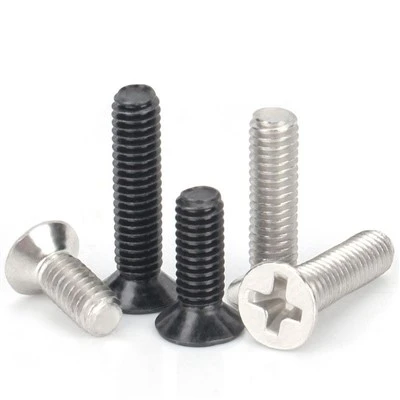
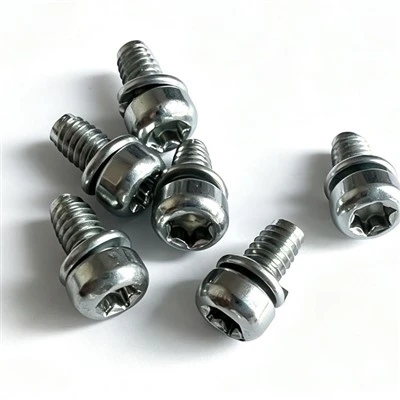
Phil Pan Head Screws are a type of fastener characterized by their pan-shaped head and Phillips drive system. The pan head design provides a relatively large bearing surface, which helps distribute the load evenly and reduces the risk of damage to the material being fastened. The Phillips drive system, on the other hand, allows for easy installation and removal using a Phillips screwdriver or a power tool with a Phillips bit.
These screws are commonly used in a wide range of applications, from electronics and automotive to furniture and construction. They are available in various sizes, materials, and finishes to meet the specific requirements of different industries. To learn more about Phil Pan Head Screws, you can visit Phil Pan Head Screw.
Requirements for Aerospace Applications
The aerospace industry has extremely high standards when it comes to the selection of materials and components. Fasteners used in aerospace applications must be able to withstand extreme conditions, including high temperatures, high pressures, and vibration. They must also be lightweight, corrosion-resistant, and have a high strength-to-weight ratio.
In addition to these physical properties, aerospace fasteners must meet strict quality and safety standards. They are subject to rigorous testing and certification processes to ensure that they meet the requirements of the Federal Aviation Administration (FAA) and other regulatory bodies.

Can Phil Pan Head Screws Meet the Requirements?
The suitability of Phil Pan Head Screws for aerospace applications depends on several factors, including the specific requirements of the application, the material and finish of the screws, and the manufacturing process.
Material and Finish
One of the key considerations for aerospace applications is the material of the fastener. Phil Pan Head Screws are typically made from materials such as stainless steel, aluminum, and titanium. Stainless steel is a popular choice due to its corrosion resistance and high strength. Aluminum is lightweight and has good thermal conductivity, making it suitable for applications where weight is a concern. Titanium is known for its high strength-to-weight ratio and excellent corrosion resistance, but it is also more expensive than other materials.
In addition to the material, the finish of the screws can also affect their performance in aerospace applications. A protective finish can help prevent corrosion and improve the durability of the screws. Common finishes for aerospace fasteners include anodizing, chromate conversion coating, and zinc plating.
Strength and Fatigue Resistance
Aerospace fasteners are subjected to high stresses and cyclic loading, which can lead to fatigue failure over time. Therefore, it is essential that the screws have high strength and fatigue resistance. Phil Pan Head Screws can be designed and manufactured to meet the specific strength requirements of aerospace applications. However, it is important to ensure that the screws are properly installed and tightened to prevent loosening and fatigue failure.
Precision and Tolerance
The aerospace industry requires high precision and tight tolerances in the manufacturing of components. Phil Pan Head Screws must be manufactured to exact specifications to ensure a proper fit and function. This includes the dimensions of the head, the thread pitch, and the overall length of the screw. Any deviation from the specified tolerances can affect the performance and safety of the fastener.
Other Considerations
In addition to the technical requirements, there are other factors to consider when using Phil Pan Head Screws in aerospace applications. These include:
Compatibility with Other Components
The screws must be compatible with other components in the aerospace system, such as the mating parts, the sealants, and the lubricants. Incompatible materials can cause corrosion, galling, or other problems that can affect the performance and safety of the system.
Installation and Maintenance
Proper installation and maintenance of the screws are crucial for their performance and safety. The installation process must follow the manufacturer's instructions and the relevant industry standards. Regular inspection and maintenance of the screws are also necessary to detect any signs of wear, damage, or corrosion.
Cost
The cost of the screws is another important consideration, especially in the aerospace industry where cost control is a major concern. While Phil Pan Head Screws may be more expensive than other types of screws, their performance and reliability may justify the higher cost in certain applications.
Conclusion
In conclusion, Phil Pan Head Screws can be used in aerospace applications under certain conditions. However, it is important to carefully evaluate the specific requirements of the application and ensure that the screws meet the necessary technical and quality standards. As a supplier of Phil Pan Head Screws, I have the expertise and experience to provide high-quality fasteners that are suitable for aerospace applications. If you are considering using Phil Pan Head Screws in your aerospace project, I encourage you to contact me to discuss your specific requirements and to learn more about our products.
Contact for Procurement
If you are interested in purchasing Phil Pan Head Screws for your aerospace or other applications, please feel free to contact us for further details and to initiate a procurement discussion. Our team of experts is ready to assist you in finding the right solutions for your needs.
References
- Aircraft Fasteners Handbook, SAE International
- Standards for Aerospace Fasteners, FAA
- Material Selection for Aerospace Applications, ASM International