Can Knurled Spline Rivets be used in wet conditions?
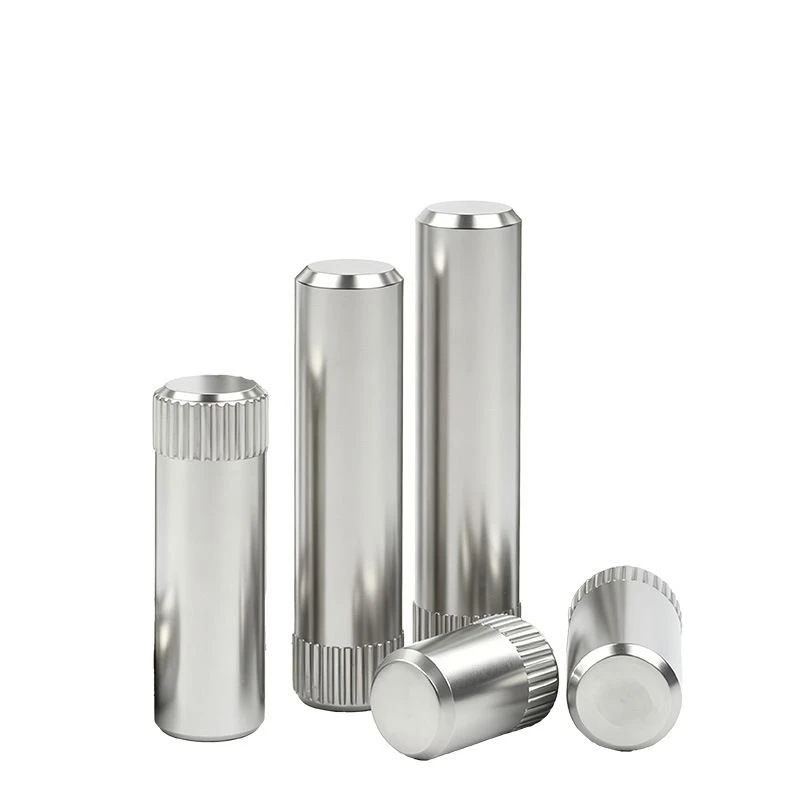
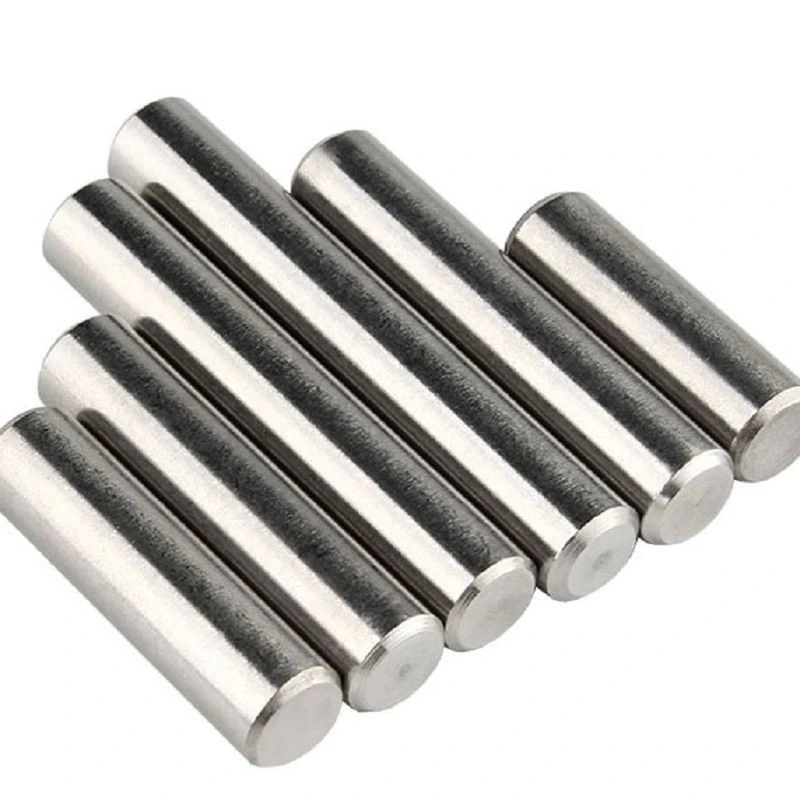
As a supplier of Knurled Spline Rivets, I often receive inquiries from customers about the suitability of our products in various environments. One common question is whether Knurled Spline Rivets can be used in wet conditions. In this blog post, I will delve into this topic, explore the properties of Knurled Spline Rivets, and analyze their performance in wet environments.
Understanding Knurled Spline Rivets
Knurled Spline Rivets are a type of fastener that features a splined shaft and a knurled head. The splined shaft provides a secure grip when inserted into a mating hole, while the knurled head allows for easy installation and removal using a simple tool. These rivets are commonly used in applications where a strong and reliable connection is required, such as Revolving Shafts, Cylindrical Pin, and Connecting Pin assemblies.
Material Considerations
The performance of Knurled Spline Rivets in wet conditions largely depends on the material they are made of. Common materials used for these rivets include steel, stainless steel, and aluminum.
Steel Knurled Spline Rivets
Steel is a popular choice for rivets due to its high strength and relatively low cost. However, steel is prone to corrosion when exposed to moisture. When steel Knurled Spline Rivets are used in wet conditions, they can rust, which may weaken the rivet and compromise the integrity of the connection. To mitigate this issue, steel rivets can be coated with a protective layer, such as zinc or chrome plating. These coatings act as a barrier between the steel and the moisture, reducing the risk of corrosion.
Stainless Steel Knurled Spline Rivets
Stainless steel is a more corrosion - resistant material compared to steel. It contains chromium, which forms a passive oxide layer on the surface of the metal, protecting it from rust and corrosion. Stainless steel Knurled Spline Rivets are therefore well - suited for use in wet conditions. They can withstand exposure to water, humidity, and even some corrosive chemicals without significant degradation. However, it is important to note that not all grades of stainless steel have the same level of corrosion resistance. For highly corrosive environments, higher - grade stainless steels, such as 316 stainless steel, may be required.
Aluminum Knurled Spline Rivets
Aluminum is another material option for Knurled Spline Rivets. Aluminum has a natural oxide layer that provides some level of corrosion resistance. It is also lightweight, which can be an advantage in applications where weight is a concern. However, aluminum is relatively soft compared to steel and stainless steel, and it may not be suitable for applications that require high strength. Additionally, in some cases, the natural oxide layer may not be sufficient to protect the aluminum from aggressive wet environments, and further surface treatments may be necessary.
Environmental Factors in Wet Conditions
When considering the use of Knurled Spline Rivets in wet conditions, it is important to take into account the specific environmental factors at play.
Water Quality
The quality of the water can have a significant impact on the performance of the rivets. Freshwater, which has a relatively low concentration of dissolved salts and other contaminants, is generally less corrosive than seawater. Seawater contains a high concentration of salts, such as sodium chloride, which can accelerate the corrosion process. In addition, polluted water or water with a high acidity or alkalinity can also be more corrosive to the rivets.
Temperature and Humidity
Temperature and humidity levels can also affect the performance of Knurled Spline Rivets in wet conditions. High temperatures can increase the rate of chemical reactions, including corrosion. Additionally, high humidity levels can create a moist environment that promotes the formation of rust and corrosion. In environments with extreme temperature fluctuations, the rivets may also be subject to thermal expansion and contraction, which can affect the integrity of the connection over time.
Performance in Wet Applications
In many wet applications, the use of Knurled Spline Rivets can be successful if the appropriate material and protective measures are taken. For example, in marine applications where the rivets are exposed to seawater, stainless steel Knurled Spline Rivets are often the preferred choice. These rivets can provide a strong and reliable connection, even in the harsh marine environment.
In industrial settings where the rivets are exposed to freshwater or mild chemical solutions, coated steel Knurled Spline Rivets may be sufficient. The protective coating can prevent corrosion and ensure the long - term performance of the rivets.
However, in applications where the rivets are constantly submerged in highly corrosive liquids or exposed to extreme environmental conditions, additional testing and evaluation may be required to ensure the suitability of the Knurled Spline Rivets.
Maintenance and Inspection
Even when using Knurled Spline Rivets that are suitable for wet conditions, regular maintenance and inspection are essential. This includes visually inspecting the rivets for signs of corrosion, such as rust or pitting. If any signs of corrosion are detected, the affected rivets should be replaced immediately to prevent further damage to the assembly.
In addition, proper cleaning and lubrication can also help extend the lifespan of the rivets. Removing dirt, debris, and any corrosive substances from the surface of the rivets can reduce the risk of corrosion. Lubrication can also help protect the rivets from wear and tear, especially in applications where there is relative movement between the parts connected by the rivets.
Conclusion
In conclusion, Knurled Spline Rivets can be used in wet conditions, but the choice of material and appropriate protective measures are crucial. Stainless steel rivets are generally the best option for highly corrosive wet environments, while coated steel rivets can be used in less severe conditions. By understanding the specific environmental factors, performing regular maintenance and inspection, and selecting the right rivet for the application, Knurled Spline Rivets can provide a reliable and long - lasting connection in wet conditions.
If you are considering using Knurled Spline Rivets in your application, especially in a wet environment, I encourage you to contact me for more information. As a leading supplier of Knurled Spline Rivets, Fixed Cylindrical Pin, and other related fasteners, I can help you select the most suitable product for your needs. Whether you have questions about material selection, installation, or long - term performance, I am here to assist you. Let's start a conversation and find the best solution for your project.
References
- Metals Handbook: Properties and Selection: Irons, Steels, and High - Performance Alloys. ASM International.
- Corrosion Resistance of Metals and Alloys. NACE International.
- Fastener Design Manual. Industrial Fasteners Institute.